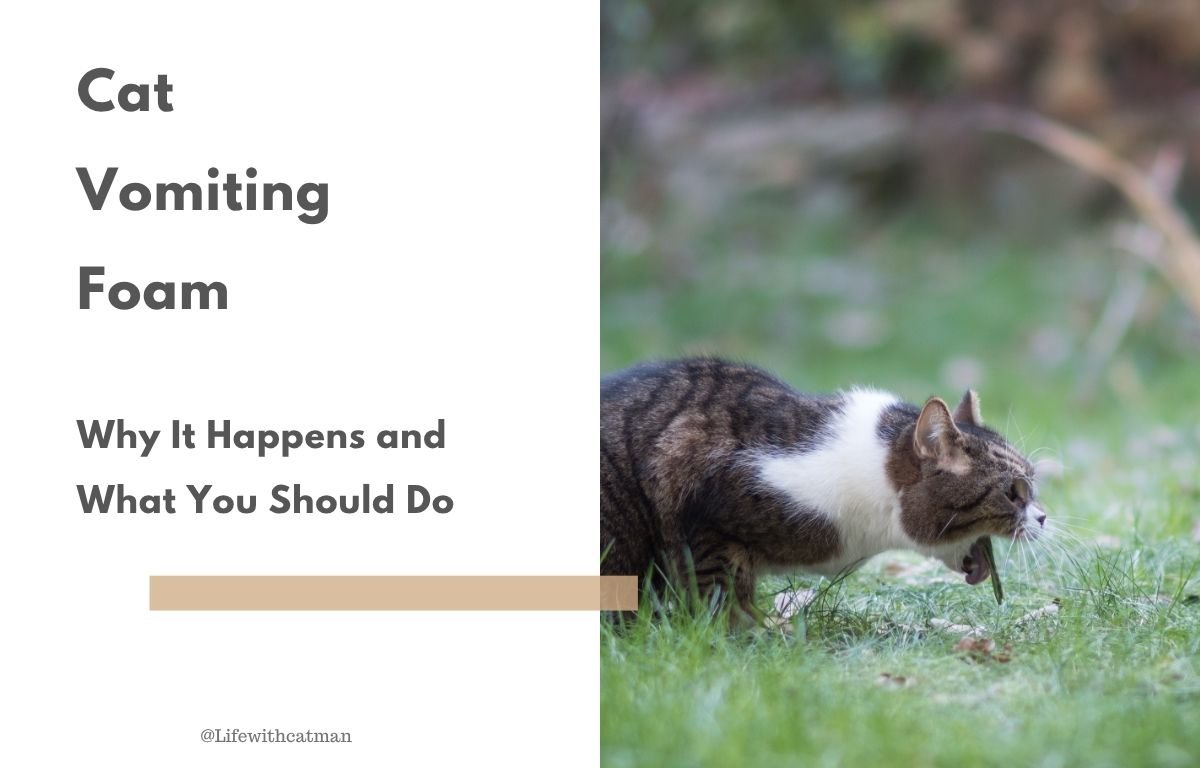
Cat vomiting foam can be scary to see, especially if your cat looks uncomfortable or confused. Foam usually appears when a cat throws up on an empty stomach, but there are many possible causes. Some are simple and harmless. Others require fast action and a vet visit. In this guide, we will explain why foam happens, what you can do at home, and how to know when it is time to worry.
Cats are masters at hiding discomfort. So even a small change like vomiting foam can tell us something important. Your goal is not to panic, but to pay attention to patterns and signs.
Let’s break down the most common reasons.
Why Is My Cat Vomiting Foam?
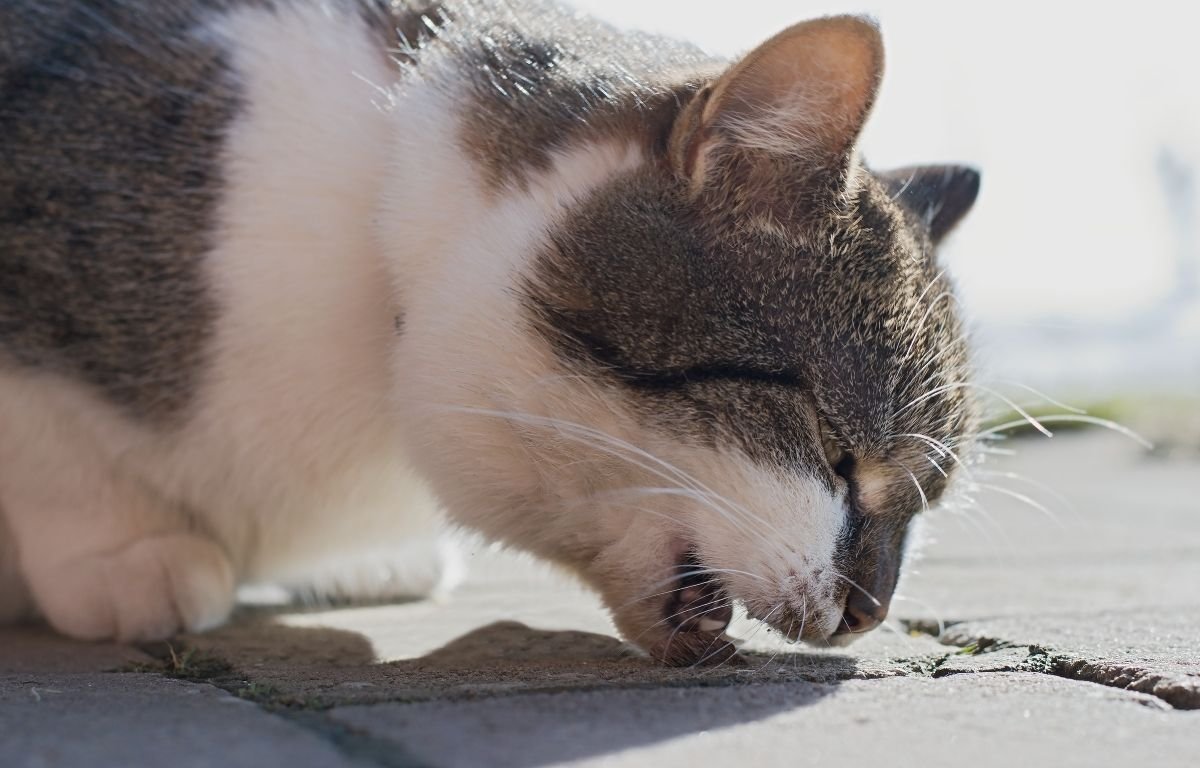
Foam is usually white or clear and contains saliva and stomach acid. It often happens when there is nothing else in the stomach. If your cat vomits foam once and then acts normal, it might not be a big issue. But if it continues, something is irritating the stomach.
Many cats vomit foam in the morning. This happens after long hours without food. Their stomach acid can build up overnight. The irritation leads to vomiting.
But foam can also signal problems like diet, stress, or disease. So keep reading to understand the bigger picture.
Common Causes of Cat Vomiting Foam
Hunger and Empty Stomach
This is one of the most frequent causes. When a cat does not eat for too long, stomach acid irritates the lining. This leads to nausea and vomiting foam.
Solution:
- Offer smaller, more frequent meals
- A small bedtime snack helps overnight issues
If feeding more often solves the problem, it is likely hunger-related.
Hairballs
Cats groom daily. They swallow loose fur. Sometimes the fur gets stuck and irritates the stomach. When they try to bring it up but cannot, foam appears instead.
Signs:
- Occasional coughing or gagging
- Vomiting before or after grooming
Regular brushing can reduce this problem. Hairball pastes may help too.
Dietary Issues
Changing food too quickly can upset digestion. Cheap food with fillers can also irritate the stomach. Allergies may cause foam if the body reacts to an ingredient.
Cats need good hydration and a clean diet. Learn how hydration and cat health support proper digestion.
Some cats improve when offered nutritious meals. You can explore natural and organic cat foods that are easier to digest:
If vomiting foam starts after switching food, consider switching back or transitioning slowly.
Acid Reflux and Stomach Sensitivity
Some cats have more sensitive stomachs. This can cause nausea when they lie down or go many hours without eating.
If this happens daily, especially in the morning, talk to your vet about reflux. The vet may suggest dietary adjustments or medication.
Stress or Anxiety
Cats can vomit from stress. Emotional triggers cause nausea just like physical ones.
Stress triggers:
- New pets or people
- Loud noises
- Moving homes
- Change in routine
- Being left alone too long
Other stress signs:
- Hiding
- Excessive grooming
- Aggression
- Not eating well
Help reduce anxiety with playtime, safe spaces, and routine stability.
Underlying Medical Conditions
Sometimes vomiting foam means something more serious is happening.
Possible health issues:
- Pancreatitis
- Inflammatory bowel disease
- Parasites
- Kidney or liver disease
- Obstructions from foreign objects
Warning signs:
- Vomiting foam multiple times a day
- Yellow or pink foam (bile or blood)
- Diarrhea
- Extreme tiredness
- No eating for more than 24 hours
If any of these occur, go to a vet immediately.
When Cat Vomiting Foam Is an Emergency
Call your veterinarian if your cat:
- Vomits foam repeatedly for 24–48 hours
- Shows belly pain or cries when touched
- Looks weak or confused
- Has blood in vomit
- Stops eating or drinking
Cats can dehydrate fast. It is always better to be safe.
What You Can Do at Home
These steps can often help your cat feel better:
- Offer small meals more often
- Provide fresh water daily
- Avoid giving treats or new foods for now
- Keep your cat calm and comfortable
Do not give human medication. Some drugs safe for people are dangerous for cats.
A short real-life example:
Imagine you skipped breakfast and only had bitter coffee. Your stomach would not be very happy. Cats feel similar when acid bothers their stomach without food to balance it.
If in doubt, call your vet for guidance.
How to Prevent Cat Vomiting Foam
There are many simple solutions that can reduce risk:
- Feed meals at consistent times
- Avoid long gaps between meals
- Choose quality food with easy digestion
- Keep stress levels low through stimulation and routine
- Brush your cat regularly to reduce hairballs
Pay attention to patterns. If foam happens only when breakfast is late, the fix might be simple.
FAQ — Cat Vomiting Foam
Why is my cat vomiting foam in the morning?
Likely due to an empty stomach and acid buildup. Try small meals at night.
Is white foam always a sign of illness?
No. It can be normal if it happens rarely. Watch for other symptoms.
Can allergies cause foam vomiting?
Yes. Food sensitivities can irritate the stomach.
What should I give my cat if they vomit foam?
Fresh water and small, bland meals. Avoid treats and human food.
When should I worry?
If vomiting foam continues for more than a day or comes with weakness, dehydration, or blood.
Is stress a cause for foam vomiting?
Yes. Anxiety and routine disruption can upset digestion.
Do hairballs always lead to foam?
Not always. But foam can appear when a hairball is stuck and cannot come out yet.
Conclusion – Cat Vomiting Foam
Cat vomiting foam is something many cat parents will face at least once. In many cases, it’s related to hunger, mild stomach irritation, or even hairballs — and simple changes like adjusting meals or reducing stress can help a lot. But your cat’s behavior matters. Always look for patterns and watch how your cat feels before and after vomiting. When in doubt, trust your instincts and call your veterinarian. You know your cat best.
A healthy cat is a happy cat — and preventing discomfort today can protect their well-being tomorrow.
Thank you for reading Cat Vomiting Foam – Why It Happens and What You Should Do.
If you want more health and behavior tips, follow us on Instagram:
https://www.instagram.com/lifewithcatman/