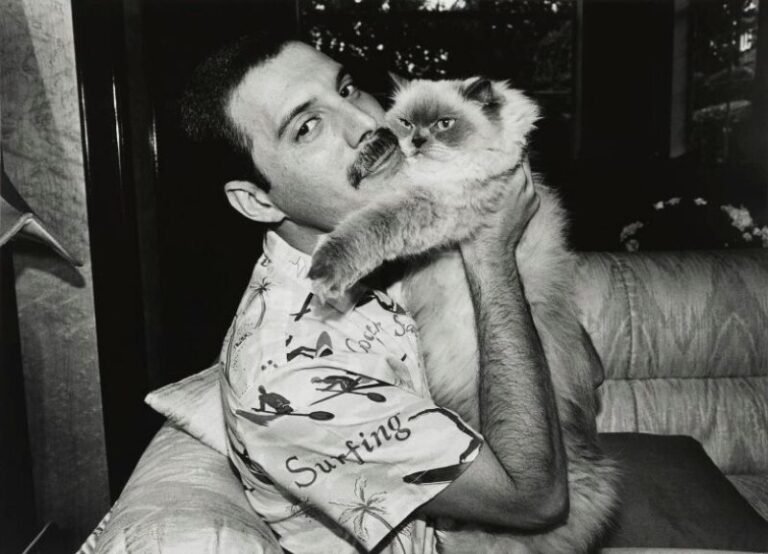
Do Cats Understand Kisses and Affection? Cat parents ask this all the time. We kiss our cats on their heads, cheeks, even their tiny foreheads — hoping they feel the love. But do they really understand what that gesture means, or do they just think we are weird, giant grooming machines?
Cats live in a world of body language, scent, and careful observation. They don’t communicate affection in the same way we do. Yet, many of them enjoy attention, closeness, and trust. So, how close are kisses to “cat language”? Let’s break it down.
Table of Contents
- Do Cats Understand Kisses? What Science Suggests
- How Cats Show Affection (Their “Love Language”)
- Do Cats Enjoy Being Kissed? The Good and the Not-So-Good
- How to Show Love in a Way Cats Understand
- Do Cats Understand Affection Emotionally?
- When Kissing Might Not Be a Good Idea
- Do Cats Understand Kisses and Affection? The Bottom Line
- FAQ — Do Cats Understand Kisses and Affection
Do Cats Understand Kisses? What Science Suggests
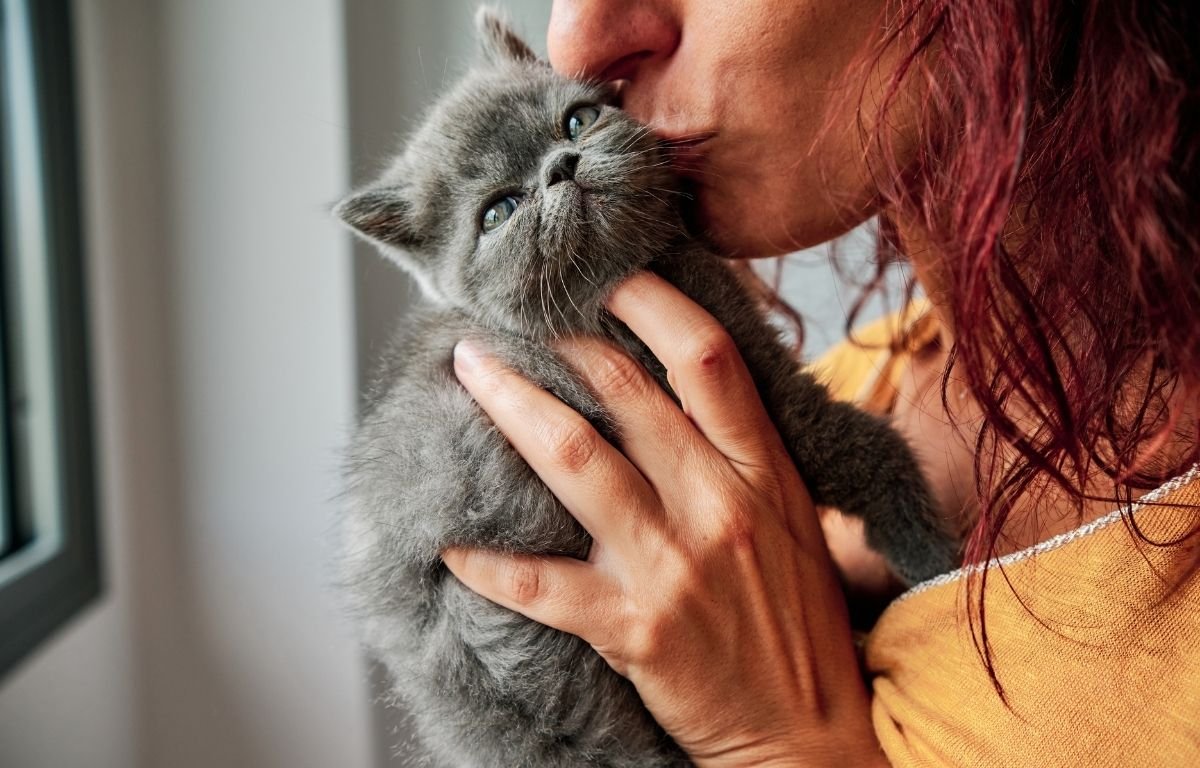
Cats do not instinctively understand kissing as a sign of love. It’s simply not a behavior in their natural communication system. However, they learn from experience. When kisses come with gentle petting, soft voices, and comfort, cats associate them with something positive.
Some cats will lean in, close their eyes, stretch toward your face, or give a slow blink. Others quietly tolerate affection because they like being near you — or because they enjoy having a loyal servant.
If your cat responds with trust and calmness, they are understanding your affection in their own way.
How Cats Show Affection (Their “Love Language”)
While we rely on gestures like kisses, cats express love differently. These are their affectionate signals:
Slow Blinks: The Cat Equivalent of a Kiss
When your cat looks at you and slowly closes their eyes, it’s one of the strongest signs of trust. They are literally saying, “I feel safe with you.” Try slow blinking back — many cats appreciate that response.
Head Bumps and Cheek Rubbing
Cats use scent to create emotional connection. When your cat taps their head against you or rubbing their cheek along your hand or leg, they are marking you as part of their family. It’s a unique and deeply personal way of bonding.
Kneading, Purring, and Following You Around
Cats create affection through physical presence. They knead your lap because it comforts them. They purr when happy or relaxed. And if they choose to follow you from room to room, they enjoy your company — not just the place where treats magically appear.
Sleeping close to you is also a strong sign of love. Cats choose to rest where they feel safe. If you’ve ever wondered why does my cat sleep on me, that question has a lot to do with trust, warmth, and emotional comfort.
Do Cats Enjoy Being Kissed? The Good and the Not-So-Good
Some cats truly enjoy being kissed. They purr louder, push their head closer, or close their eyes in contentment. Those cats get the affectionate message clearly.
But not all cats feel this way.
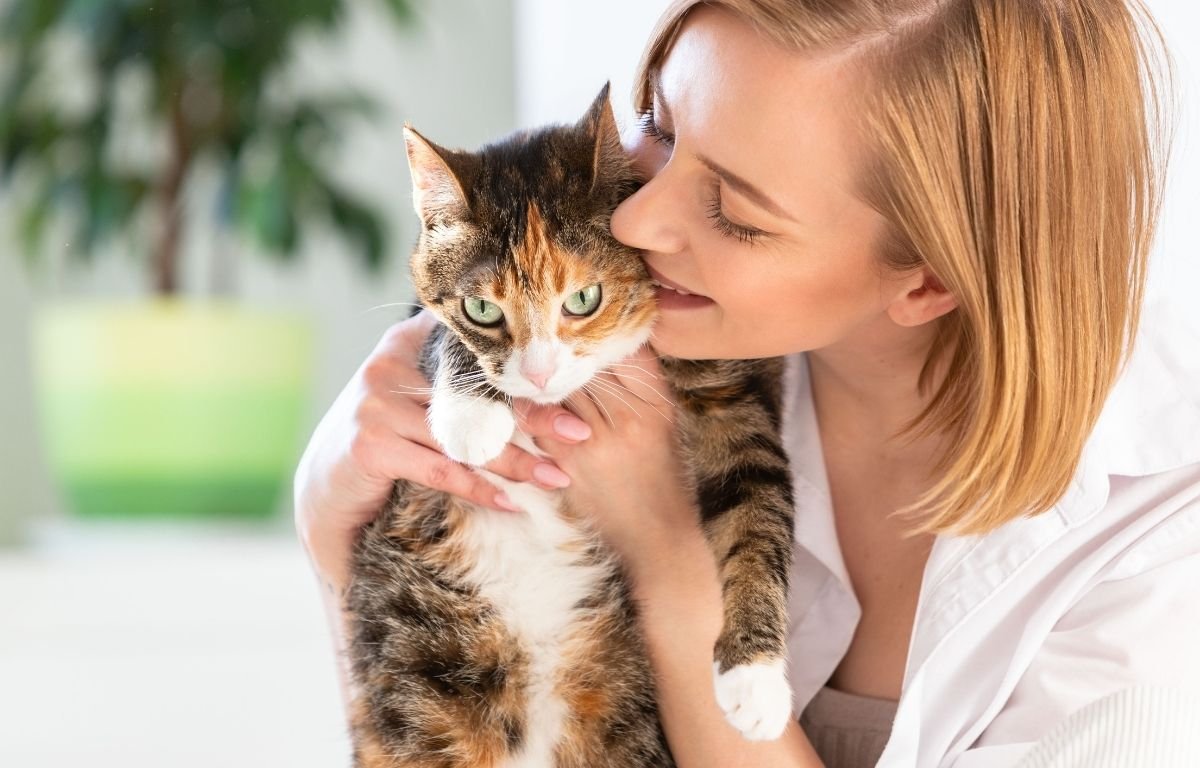
Cats Are Individuals: Know Your Cat’s Boundaries
A more cautious or independent cat may step back from close face contact. They may flatten their ears or swish their tail if they feel uncomfortable. This doesn’t mean they don’t love you. They simply prefer affection expressed differently.
Maybe they believe love is best shown through silent judging from a shelf two meters away.
Respecting boundaries helps your bond grow stronger.
How to Show Love in a Way Cats Understand
Cats love actions that match their communication style. Try:
• Gentle petting where they like it: chin, cheeks, base of the tail
• Soft blinking sessions as a greeting
• Letting them choose when physical contact happens
• Playtime to satisfy their natural instincts
• Consistent care and attention — they thrive on routine
Cats are intelligent about choosing humans who make them feel secure. They often select those who respect their needs and give emotional comfort — almost as if your cat didn’t choose you by chance.
Do Cats Understand Affection Emotionally?
Yes. Cats may not interpret human gestures exactly the same way, but they absolutely feel the emotion behind them. Love to a cat is:
• A familiar scent
• A warm lap
• A safe space to sleep
• A person who listens to their needs
They show loyalty through trust — sometimes even by sitting directly on your laptop while you are working on a deadline. That’s love in cat language.
When Kissing Might Not Be a Good Idea
There are moments when affection should be limited:
• When a cat feels stressed or overwhelmed
• During illness or after medical treatment
• When they turn their head away or flick their tail
• If you smell like strong spices or products they dislike
Some cats prefer “air-kisses,” offered from a polite distance. And honestly, some humans do too.
Do Cats Understand Kisses and Affection? The Bottom Line
Cats learn to recognize our kisses as affection if the experience feels safe and pleasant. They may not translate the gesture the same way humans do, but they feel the love through consistency, comfort, and connection.
If your cat enjoys kisses, that’s a sweet part of your relationship. If not, show love in the way they appreciate most. When affection matches their preferences, the bond becomes truly special.
FAQ — Do Cats Understand Kisses and Affection
Do cats know kisses mean love?
Not naturally, but they can learn through positive association.
What if my cat moves away from my face?
They may dislike close contact. Respect their comfort zone.
Is kissing my cat’s head safe?
Yes, if they welcome the moment and are healthy.
Do cats understand hugs?
Some enjoy it, but many find tight holding stressful.
How do I show love without kissing?
Use slow blinks, gentle touch, calm talking, and interactive play.
If you love learning how your cat communicates affection, join our community for more cat behavior tips and heartwarming stories:
https://www.instagram.com/lifewithcatman/
Thank you for reading Do Cats Understand Kisses and Affection.
Your support helps us create more helpful guides for cat parents who want the best for their feline friends.