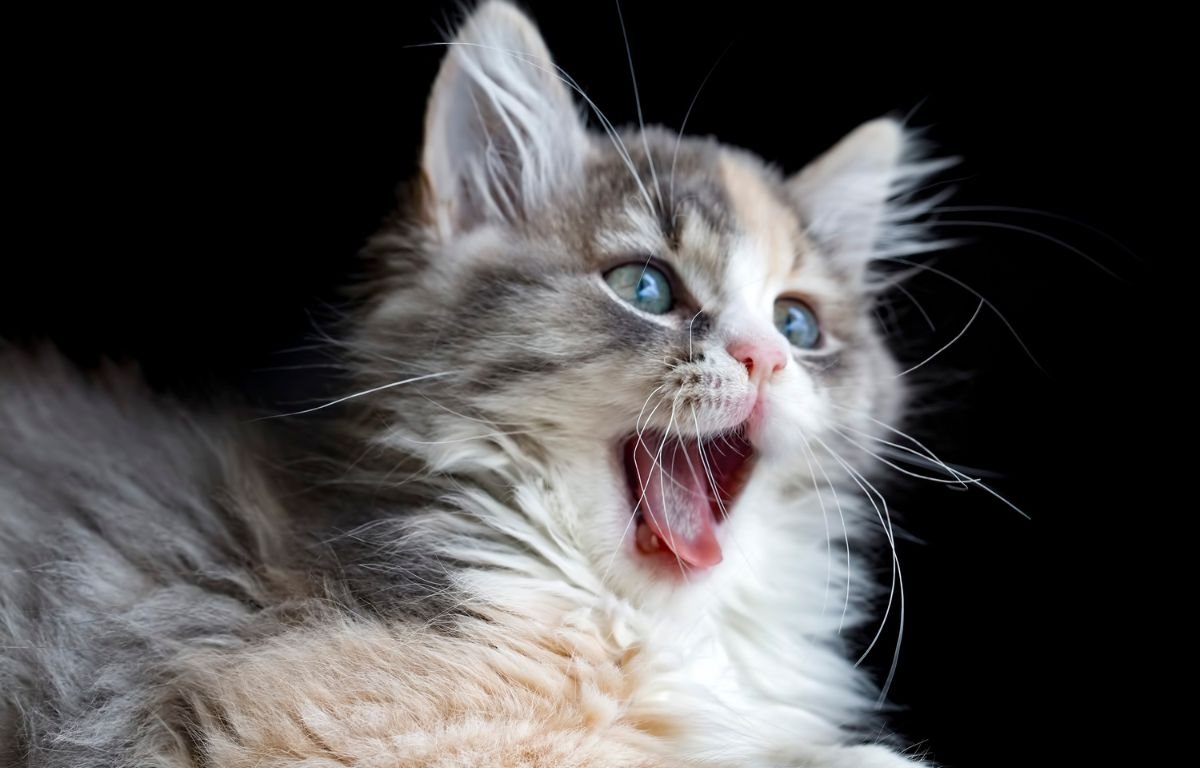
Is It Normal for Cats to Meow at Night is a common question among cat parents who find themselves wide awake at 3 a.m., listening to their talkative feline pacing the hallway. Nighttime meowing can feel confusing, disruptive, and a little dramatic. But for cats, vocalizing after dark is rarely random noise. They are communicating a need, an emotion, or a request.
This vet-approved guide breaks down what’s normal, what isn’t, and how you can help your cat feel safe and quiet during the night.
Is It Normal for Cats to Meow at Night?
Yes, in many cases it is completely normal for a cat to meow at night. Cats are naturally most active around dusk and dawn. That’s when their wild ancestors hunted, and some of those instincts remain. Young, playful, or highly energetic cats are especially prone to nighttime vocal behavior.
However, when meowing becomes excessive, suddenly increases, or sounds distressed, it may signal an underlying issue that needs your attention.
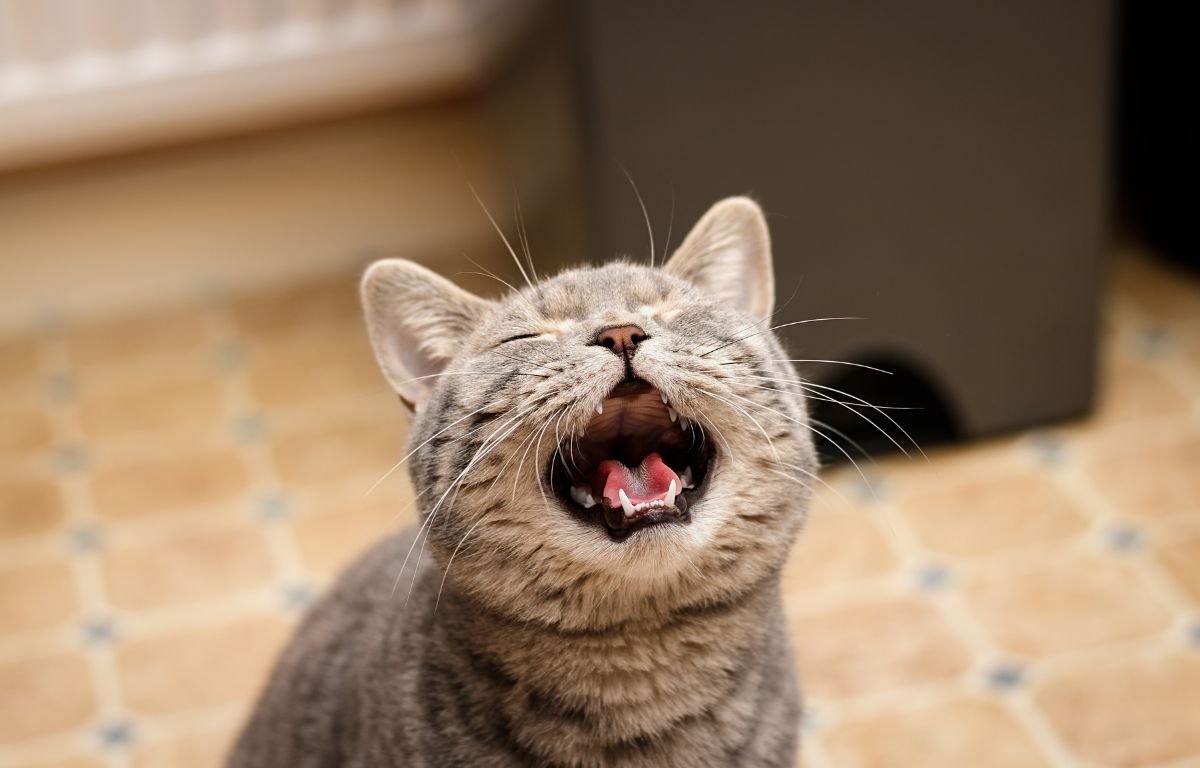
Why Cats Meow at Night — Most Common Reasons
Understanding the cause is the first step to peaceful sleep. Each cat has its own motivation, but veterinarians agree that most nighttime vocalizing falls into these categories.
Hunger or Routine Reminder
If your cat is used to eating early and wakes up hungry later, meowing becomes their way of filing a complaint. Cats live by routine. When their expectations are not met, they make sure you hear about it.
A small, protein-rich snack before bedtime can prevent hunger calls.
Boredom and High Energy
A cat who spent the entire day lounging on the couch has stored energy waiting to explode. And unfortunately, the moment you lie down, they decide it’s the beginning of the most exciting hunt of their life.
Interactive evening playtime can turn that midnight zoomie session into a full night of rest.
Stress or Anxiety
Cats thrive on predictability. Changes such as moving home, new pets, new people, or even changes in your scent can lead to anxious meowing.
Some cats cry out to check if their trusted human is still nearby. This emotional communication is discussed more in our guide about why cats meow at night, which explores the connection between anxiety and nighttime vocal behavior.
Seeking Attention and Affection
Cats may not wake you to annoy you. They wake you because they love you. If they feel like connecting, or if they missed you during the day, they use their voice.
Often the meow means: “I need company. Are you awake yet?”
Age-Related Vocalization
Both kittens and senior cats may cry more at night.
Kittens:
- Adjusting to a new home
- Missing siblings or mother
- Learning nighttime boundaries
Senior cats:
- May feel confused in the dark
- May have reduced hearing or vision
- Could experience cognitive changes
Low lighting and a comfortable nearby sleeping spot can make a big difference.
Medical Concerns
Veterinarians caution: sudden, loud, or distressed nighttime meowing can indicate discomfort or a health issue. Look for changes in eating, litter habits, or energy.
If something feels off, always consult your vet. Behavior is communication.
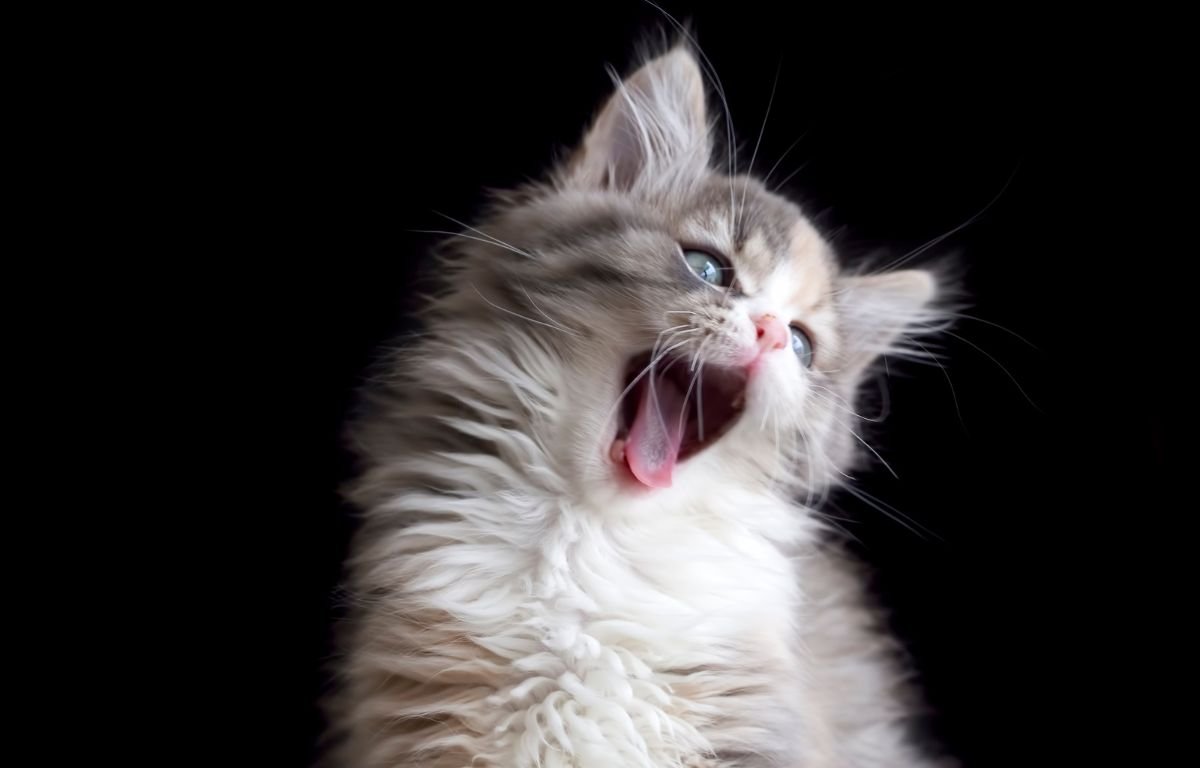
Vet-Approved Tips to Reduce Nighttime Meowing
Improvement usually happens once your cat’s needs are better met.
Set an Evening Routine
Cats relax when they know what comes next. A predictable order of feeding, playing, and affection tells their brain it’s time to settle down.
Increase Daytime Enrichment
Climbing, scratching, puzzles, and scent stimulation help prevent boredom. Environmental enrichment is especially important for indoor cats who cannot explore outdoors.
Example activities:
- Window perches
- Food puzzle feeders
- Rotating toy selection
- Vertical towers or shelves
Create a Cozy Sleep Space
Provide a warm, secure location where your cat feels protected. A blanket or shirt with your scent can create additional comfort.
The closer the sleeping area is to you, the more secure they may feel.
Avoid Rewarding Night Meowing
If your cat meows and you get up, they learn that meowing works. Once you rule out basic needs and health concerns, it is okay to ignore attention-seeking vocalization.
Consistency is key.
When to Contact a Veterinarian
Call your vet if the behavior includes:
- Sudden, intense meowing
- Pain-like crying
- Changes in appetite
- Confusion or fear at night
- Litter box issues
Night behavior is often the first noticeable sign of discomfort.
To explore more solutions and behavior modifications, this helpful guide explains how to stop a cat from meowing at night.
Special Situations Worth Mentioning
Kittens Adjusting to Night Life
Kittens often struggle to understand why the house goes quiet. Providing a soft toy, warm bedding, and gentle reassurance can help them feel at home.
Gradually, they learn to match the family’s routine.
Senior Cats and Night Confusion
Age-related behavior changes can include night calling. Soft lamps and proximity to familiar humans may reduce confusion. Gentle nighttime routines make a big difference.
So, Is It Normal for Cats to Meow at Night?
Yes — but only to a degree. Normal nighttime meowing:
- Is occasional
- Has an obvious cause
- Stops once needs are met
Concerning meowing:
- Appears suddenly
- Sounds like distress
- Disrupts every night
- Comes with other health or behavior changes
Finding the balance between support and training helps both your cat and your sleep schedule.
FAQs: Is It Normal for Cats to Meow at Night?
Is it normal for cats to meow at night all of a sudden?
No, sudden changes often signal a stressor or health issue. Observe first, then consider a vet check.
Why does my cat cry loudly at night?
Cats cry loudly when anxious, confused, in pain, or when they desperately want attention.
Do cats meow more at night when they’re stressed?
Yes. Night stress meows are common after changes in routine or environment.
Should I ignore my cat’s nighttime meowing?
Only if you are sure all needs are met and there is no medical concern.
How can I calm my cat anxious at night?
Increase bonding time before bed, provide safe spaces, and keep lighting soft.
Do senior cats meow more at night?
Yes. Cognitive decline and sensory loss play a role.
Is nighttime meowing a sign of illness?
It can be, especially when paired with other symptoms.
Final Thoughts – Is It Normal for Cats to Meow at Night
Your cat’s nighttime voice is a language. Sometimes it’s just excitement. Sometimes it’s an emotional check-in. Sometimes it’s a request for help. By understanding the cause and offering the right support, you protect both your cat’s wellbeing and your own rest.
Follow us on Instagram @lifewithcatman for more cat behavior insights and adorable stories.