Why is my cat sneezing a lot? Sneezing can seem cute and funny at first, but when it happens many times a day, it becomes a real concern. Cats use their noses to explore their world. When something irritates their airway, a powerful sneeze is their way to fix the problem.
Sometimes the reason is harmless. Other times, it can signal health issues that need attention. Let’s explore the most common causes and what you should do if your fluffy friend keeps “achoo-ing” nonstop.
Table of Contents
- Common Reasons Why Your Cat Is Sneezing a Lot
- When Should You Be Concerned About Frequent Sneezing
- What You Can Do at Home
- Prevention Tips for a Healthy Cat Nose
- Final Thoughts – Why Is My Cat Sneezing a Lot
- FAQ — Why Is My Cat Sneezing a Lot?
Common Reasons Why Your Cat Is Sneezing a Lot
Not every sneeze is a problem. But the pattern matters. Here are the most typical triggers.
Dust, Strong Smells, and Household Irritants
Cats have sensitive noses. Even a small amount of dust can set off a sneezing storm.
Other irritants include:
- Perfume or cologne
- Cleaning sprays and bleach
- Scented candles or air fresheners
- Cigarette smoke
Imagine spraying a strong cleaner in the bathroom. Your cat walks in, takes one sniff, and suddenly acts like they smelled a pepper bomb. Temporary irritation is normal. But if sneezing continues after you improve the air quality, look for deeper causes.
Tip: Try switching to gentler or unscented products. Vacuum more often, especially around bedding and your cat’s favorite napping spots.
Viral or Bacterial Infections
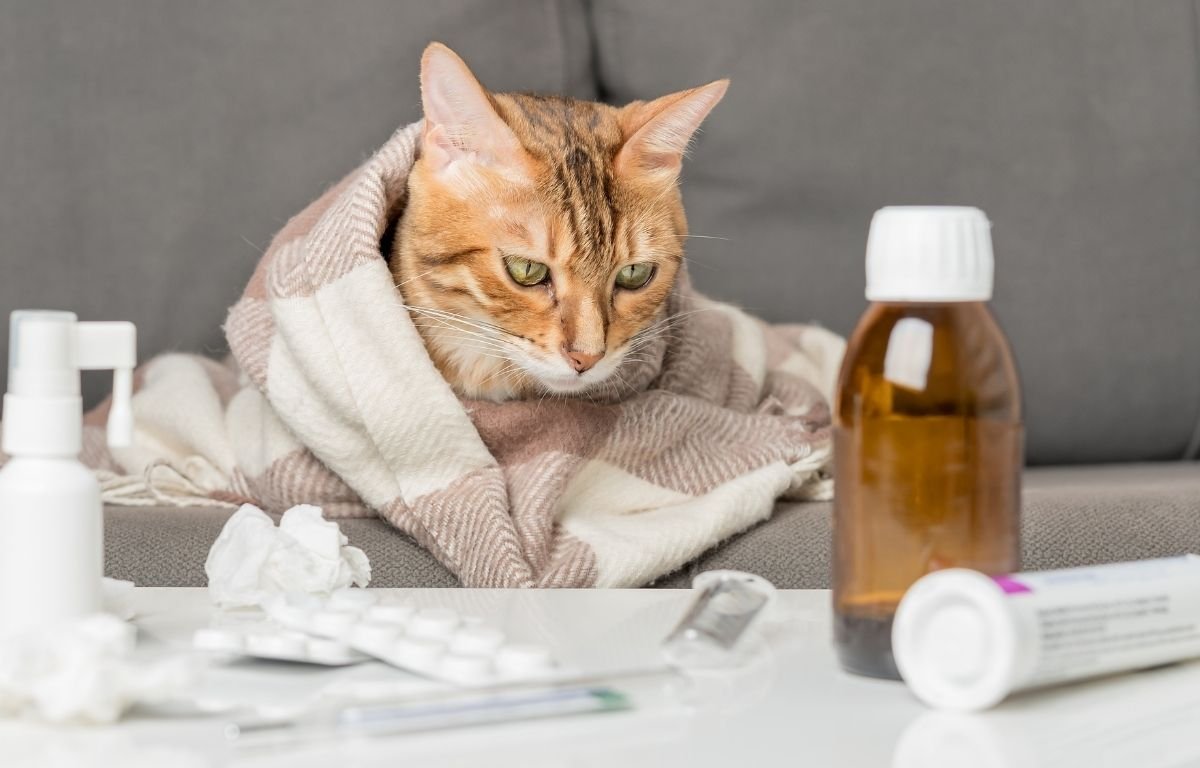
If your cat sneezes a lot and also has:
- Watery eyes
- Thick nasal discharge
- Reduced appetite
- Lethargy
It might be an upper respiratory infection. This is very common in kittens and shelter cats.
The positive side: Many cases improve with proper treatment.
The downside: It can spread to other cats quickly.
Contact a veterinarian if your cat seems sick, hides more, or refuses meals for more than 24 hours.
Allergies in Cats – Why Is My Cat Sneezing a Lot
Allergies can cause frequent sneezing. Like humans, cats can react to pollen, dust, mold, and even food ingredients.
Food allergies may also cause:
- Itching
- Ear irritation
- Digestive problems
If you suspect food-related symptoms, see this helpful resource about cat food allergies.
Elimination diets or switching to cleaner ingredients can help control sneezing if the cause is inside the bowl.
Sometimes, frequent sneezing shows up together with other reactions to irritation. Your cat may scratch their face more often because the itchy feeling around their nose or eyes becomes uncomfortable. If you ever wondered why cats sometimes decide to scratch their humans too, there is an interesting explanation behind that behavior.
Dental Problems Linked to Sneezing
It may sound strange, but teeth and noses in cats are closely connected.
An infected tooth can affect the sinus area. This irritation can trigger sneezing.
Watch for:
- Bad breath
- Drooling
- Pawing at the mouth
- Reduced interest in dry kibble
If the veterinarian spots dental disease, treating the teeth often stops the sneezing too.
Something Stuck in the Nose
Cats are curious noses on four paws.
Playtime sometimes ends with dust, litter pieces, or a tiny fiber getting stuck inside the nostrils.
Signs include:
- Sneezing fits
- Nose pawing
- Possibly one blocked nostril
Do not try to remove anything yourself. If sneezing cannot clear it, a vet can help.
When Should You Be Concerned About Frequent Sneezing
Call a veterinarian if sneezing comes with:
- Blood in nasal discharge
- Trouble breathing
- Noisy breathing
- Swelling in the face
- High fever
- Sudden drop in appetite
Any sneeze combined with difficulty breathing is an urgent situation. Cats hide illness well. Trust your instinct if something feels off.
What You Can Do at Home
There are simple ways to help a sneezing cat feel better.
Consider feeding cleaner ingredients with fewer additives. Natural diets can support the immune system. Explore natural and organic cat foods:
Extra tips:
- Keep the litter box clean and dust-free
- Use a humidifier during dry winter days
- Keep windows closed on high-pollen days
- Wipe your cat’s face gently if you see buildup
Do not give human medication to cats. Their bodies process drugs very differently.
Prevention Tips for a Healthy Cat Nose
A few habits can make a big difference:
- Regular vet check-ups
- Routine dental care
- Slow transitions when changing food or litter
- Minimizing strong chemicals in the home
Also, ensure your cat gets enough enrichment. Stress can weaken the immune system. Playtime and cuddles matter more than you think.
Final Thoughts – Why Is My Cat Sneezing a Lot
Why is my cat sneezing a lot? Now you know the simple and the serious possibilities. Some causes are easy to fix at home. Others require veterinary help. Paying attention early can prevent bigger issues later.
A sneeze or two is completely normal. But if it becomes a pattern, observe the situation carefully and support your cat’s health with proactive steps.
Your furry friend trusts you to notice these small signs.
FAQ — Why Is My Cat Sneezing a Lot?
Is it normal for a cat to sneeze every day?
Occasional sneezing is normal. Daily repeated sneezing may need evaluation.
Can dry air cause my cat to sneeze?
Yes. A humidifier can help maintain comfortable breathing.
Do vaccines cause sneezing?
Mild sneezing can happen after respiratory vaccines but should stop within a few days.
Can dust from litter be the problem?
Dusty or scented litter is a very common trigger.
What if only one nostril is affected?
A foreign object or dental issue is more likely. Contact a veterinarian.
Can food allergies cause sneezing?
Yes, though more often allergies affect skin and digestion too. Monitor for multiple symptoms.
Follow Us for More Helpful Cat Tips
Discover daily cat joy and advice here:
https://www.instagram.com/lifewithcatman/
Thank you for reading our latest article — Why Is My Cat Sneezing a Lot