
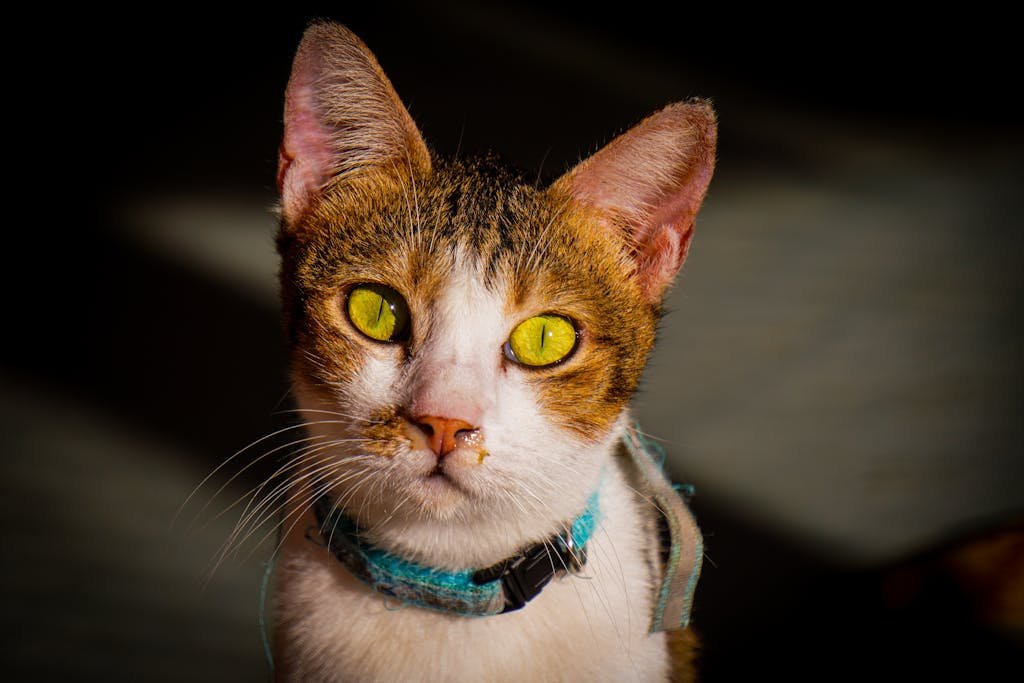
Cat Health Guide: Signs, Symptoms & How to Keep Your Cat Healthy
Cats are masters at hiding pain and illness. In the wild, showing weakness meant danger, and that instinct still exists today. Because of this, many health problems remain unnoticed until they become serious.
Why Cat Health Is Often Hard to Read
Cats rarely show obvious signs of discomfort. Small changes in behavior, appetite, sleep, or grooming habits are often the first indicators that something may be wrong. Because cats evolved as both predators and prey, hiding weakness became a survival strategy. Even domestic cats still rely on this instinct, which is why illnesses can progress quietly without clear warning signs.
This means cat owners often need to notice subtle differences rather than dramatic symptoms. A cat that suddenly sleeps more, eats less, hides more often, or stops grooming the same way may be signaling that something isn’t right. These changes can appear small at first, but they are often the earliest clues that your cat needs attention.
Understanding these subtle health signals allows you to react earlier and seek help before problems become serious. Early detection can make treatment easier, reduce stress for your cat, and improve long-term health outcomes.
Cat health is also deeply connected to behavior. Many “behavior changes” are actually early health signals in disguise. A cat that becomes withdrawn, aggressive, or unusually quiet may not be misbehaving — it may be trying to cope with discomfort or pain. Learning to recognize this connection is one of the most valuable skills any cat owner can develop.
Featured Cat Health Articles

Cat Vomiting Foam – Why It Happens and What You Should Do
Cat vomiting foam can be scary to see, especially if your cat looks uncomfortable or confused. Foam usually appears when a cat throws up on an empty stomach, but there are many possible causes. Some are simple and harmless.

How to Deal with Tapeworms in Cats
Did you discover that your cat has tapeworms? Don’t panic! It happens very often and we are here to help you get rid of them and prevent any other infection in the future.
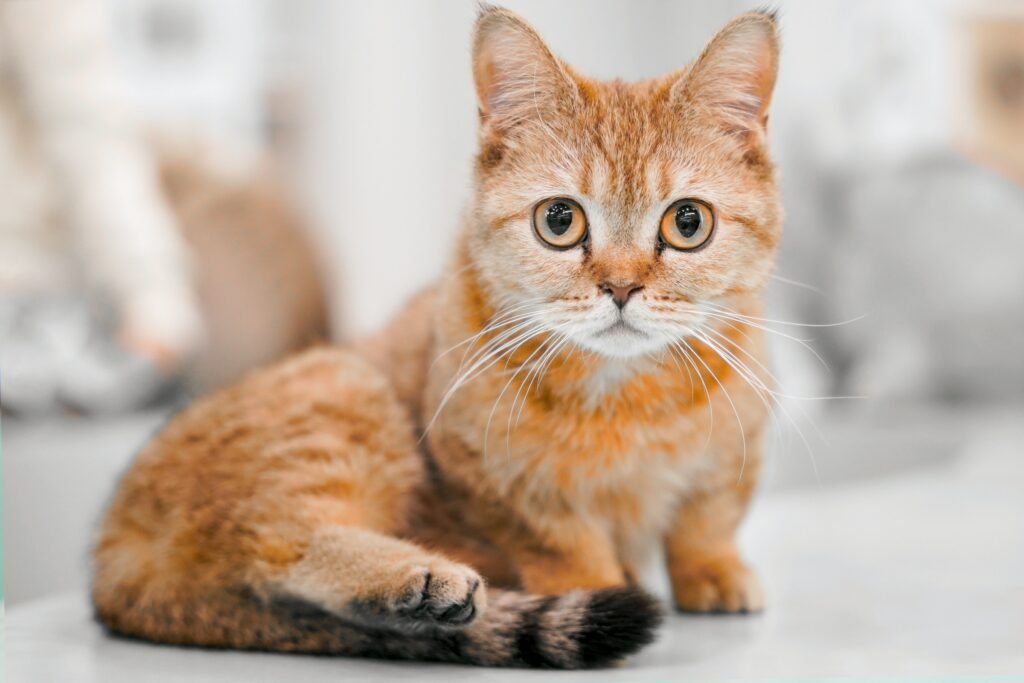
How to Protect Your Cat From Getting Diseases?
One of the biggest problems cat owners have is keeping their cats healthy. It is difficult to treat your cat with therapies or watch her struggle. So, here are a few ways that you can protect your cat from getting diseases.
Common Signs Your Cat May Be Sick
One of the most important skills for any cat owner is recognizing early symptoms. Cats rarely cry or show pain clearly, but their behavior changes. Subtle shifts in routine — like reduced appetite, unusual hiding, changes in litter box habits, or decreased grooming — are often the first warning signs. Because these signals can be easy to miss, learning what is normal for your cat is essential. The better you understand your cat’s daily habits, the faster you will notice when something is not quite right.
Understanding Changes in Appetite and Weight
Eating habits are one of the clearest indicators of a cat’s overall health. Sudden appetite loss, overeating, or rapid weight changes can often signal underlying issues that should not be ignored. Because cats are creatures of routine, even small changes in feeding behavior can be meaningful.
A cat that suddenly stops eating may be experiencing dental pain, digestive problems, stress, or illness. On the other hand, constant hunger or begging for food may be linked to boredom, metabolic changes, or medical conditions such as thyroid issues. Rapid weight gain or weight loss is especially important to monitor, as it can develop quietly over time.
Tracking your cat’s eating patterns and body condition helps you notice early warning signs and respond before problems become serious.
- Why Is My Cat Not Eating
- Why Is My Cat Always Hungry
- Cat Weight Loss Causes
- Senior Cat Appetite Changes
Senior Cat Health and Aging
As cats age, their needs gradually change, even if those changes are not immediately obvious. Older cats often become less active, sleep more, and show subtle shifts in behavior that can easily be mistaken for “normal aging.” In reality, these changes often signal that a senior cat needs closer monitoring and additional care.
Aging cats are more prone to chronic conditions such as arthritis, kidney disease, dental problems, and vision or hearing loss. Because these issues develop slowly, regular vet checkups become especially important in the senior years. Early detection can significantly improve comfort and quality of life.
Daily care may also need adjustments. Senior cats often benefit from softer bedding, easier access to food and litter boxes, and diets tailored to their age and health needs. Paying attention to these small details helps older cats stay comfortable, confident, and healthy well into their later years.
- Senior Cat Behavior Changes
- Cat Aging Signs
- How Long Do Cats Live
- Caring for Senior Cats
Stress and Emotional Health in Cats
Health is not only physical. Stress and anxiety can strongly affect a cat’s immune system, appetite, sleep patterns, and overall behavior. Because cats rely heavily on routine and familiarity, even small changes in their environment can trigger stress.
Common stress triggers include moving to a new home, changes in schedule, new pets, loud noises, vet visits, or even rearranging furniture. While some cats adapt quickly, others may respond by hiding, overeating or refusing food, overgrooming, or becoming more vocal or withdrawn.
Long-term stress can weaken the immune system and increase the risk of illness, which is why emotional well-being is an essential part of feline health. Creating a stable, predictable environment and recognizing early stress signals can make a significant difference in your cat’s long-term happiness and health.
- Cat Stress Signs
- Moving With a Cat
- Vet Visit Stress
- Why Cats Hate Change
The Science of Purring and Healing
Purring is more than a sign of happiness. Research suggests that the frequency of a cat’s purr may promote healing, reduce stress, and support tissue recovery. Scientists believe the vibrations produced during purring can help with bone strength, muscle repair, and pain relief — not only for cats, but potentially for humans as well.
Cats often purr not only when they are relaxed, but also when they are injured, anxious, or recovering from illness. This suggests that purring may function as a natural self-soothing and healing mechanism. The calming sound and rhythmic vibration can lower stress levels and create a sense of safety and comfort.
Because of this, purring is considered one of the most fascinating and unique aspects of feline health and communication.
- Why Cats Purr
- Healing Power of Cat Purring
- Benefits of Owning a Cat
Preventive Care: Keeping Your Cat Healthy
Preventive care is the best way to protect your cat’s long-term health. Regular vet checkups, proper nutrition, dental care, and routine monitoring can help detect potential problems before they become serious. Many common illnesses in cats develop slowly, which makes prevention and early detection especially important.
Simple habits such as keeping vaccinations up to date, maintaining a healthy weight, and providing a clean, stress-free environment can significantly reduce the risk of disease. Dental health is another key part of prevention, as untreated dental problems can lead to pain, infection, and other health complications.
By focusing on prevention instead of waiting for symptoms to appear, cat owners can help their pets live longer, healthier, and more comfortable lives.
- How Often Cats Need Vet Visits
- Vaccination Basics
- Indoor vs Outdoor Cat Health
- Dental Care for Cats
Browse All Cat Health Articles
Want to learn more about feline health? Explore the full collection of cat health articles.
FAQ – Cat Health
How can I tell if my cat is sick?
Cats often hide illness, so small changes are important. Watch for reduced appetite, unusual hiding, changes in litter box habits, excessive sleeping, weight changes, or sudden behavior shifts. These subtle signs are often the earliest indicators that something may be wrong.
How often should cats visit the vet?
Healthy adult cats should visit the vet at least once a year, while kittens and senior cats usually need more frequent checkups. Regular visits help detect health problems early and keep vaccinations up to date.
Why is my cat sleeping more than usual?
Cats naturally sleep a lot, but sudden increases in sleep can signal stress, boredom, aging, or health issues. If your cat becomes less active or stops interacting as usual, it may be worth monitoring closely or consulting a vet.
Is stress harmful to cats?
Yes, long-term stress can weaken a cat’s immune system and affect appetite, behavior, and sleep. Changes in environment, routine, or household members are common stress triggers for cats.
What is the best way to keep a cat healthy long-term?
Preventive care is key. Regular vet visits, balanced nutrition, dental care, mental stimulation, and a stable home environment all play a major role in maintaining your cat’s health and well-being.