
How Often Should You Bathe a Cat? (Complete Guide for Indoor & Outdoor Cats)
How often should you bathe a cat is one of the most common questions cat owners ask. The truth is, most cats don’t need frequent baths, but in some situations, bathing becomes necessary for their health and hygiene.
Cats are naturally clean animals, but depending on their lifestyle, age, and health, you may need to step in and help. Knowing when to bathe your cat — and when not to — can make a big difference.
Quick Answer
Most cats should be bathed every 4–6 weeks if needed, but many indoor cats may only need a bath a few times per year — or not at all.
Cats are known for their self-cleaning habits. However, there are times when the self-sufficiency of our feline friends meets its limits—like when they roll in something sticky or when their fur gathers more dirt than their tongues can handle. The question shifts from a general curiosity to a pressing need in such moments. Understanding when and how often to bathe your cat becomes crucial in maintaining their cleanliness, comfort, and health.
Do Cats Need Baths?
At first glance, seeing a cat licking its fur might suggest that they are a model of self-reliance regarding cleanliness. This is not far from the truth; cats are careful groomers, dedicating a significant portion of their day to personal hygiene. Their tongues have tiny, hook-like structures designed to remove loose fur, dirt, and debris.
However, while thorough, cats’ self-grooming habits are not always enough. There are several scenarios where human assistance becomes beneficial and necessary. For instance, cats that explore the outdoors can come into contact with substances beyond their tongues’ capacity to clean, such as tar, motor oil, or sticky stuff.
While bathing a cat may seem daunting, it’s important to remember that these are exceptional circumstances, not routine requirements. The goal is to support the cat’s natural grooming efforts, not replace them.
Why Most Cats Don’t Need Frequent Baths
Cats spend a huge part of their day grooming themselves. Their tongues act like natural brushes, removing dirt, loose fur, and oils.
Because of this:
- Most indoor cats stay clean on their own
- Bathing too often can dry out their skin
- It can also cause unnecessary stress
👉 In many cases, brushing your cat regularly is enough.
How Often Should You Bathe a Cat Indoors
For the average, healthy indoor cat, the need for baths is quite minimal. These cats spend their days in controlled environments, largely free from the dirt and dangers of the outside world. Their natural grooming habits are often sufficient to keep them clean. However, there are exceptions. Long-haired breeds like the Maine Coon cats that shed, for example, may require occasional baths to help manage their fur, preventing mats and tangles that can lead to discomfort and skin issues.
Indoor cats usually live in a controlled environment. They don’t get exposed to mud, chemicals, or parasites as often as outdoor cats.
For indoor cats:
- Bathing is rarely needed
- Once every few months is more than enough
- Some cats may never need a bath
👉 If your cat smells clean and looks healthy, you probably don’t need to bathe them.
How Often Should You Bathe an Outdoor Cat
Outdoor cats, or those wishing for adventurous escapades, might need a bath more frequently. In these cases, a bath not only serves to clean but also to remove substances that could be harmful if ingested during self-grooming.
Outdoor cats are exposed to:
- dirt
- bacteria
- parasites
- unknown substances
Because of this, they may need baths more often.
For outdoor cats:
- Every 4–6 weeks (if dirty)
- After exposure to something harmful
- If they can’t groom properly
👉 Always check their coat before deciding.
How Can I Keep My Cat Calm During a Bath?
Keeping your cat calm during a bath involves a blend of preparation, understanding, and a gentle approach. Start by familiarizing your cat with water early on, using a damp cloth, and gradually introducing shallow water, ensuring it’s warm to make the experience as comfortable as possible.
Protect your cat’s ears, eyes, and nose from water and shampoo, using a washcloth for the face to avoid distress. Speaking in a calm, soothing voice can provide reassurance, and being quick and gentle is key.
After the bath, wrap your cat in a warm towel for comfort and offer treats and affection as a reward, reinforcing a positive association with bath time.
Signs Your Cat Needs a Bath
Instead of following a strict schedule, look for signs.
Your cat may need a bath if:
- Their fur feels greasy or sticky
- They smell bad
- There is visible dirt or substances on their coat
- They stopped grooming themselves
- They have fleas or skin issues
👉 Behavior changes can also be a clue. If your cat stops grooming, something might be wrong.
When You Should NOT Bathe a Cat
This is where many owners make mistakes.
You should avoid bathing your cat if:
They are already clean
They are stressed or anxious
They groom themselves normally
They have certain skin conditions (unless vet says otherwise)
Overbathing can:
damage natural oils
dry out the skin
cause irritation
👉 Sometimes bathing does more harm than good.
What to Do Instead of Bathing
Keeping your cat clean extends beyond the occasional bath. You can employ several other methods to help maintain your cat’s cleanliness and overall well-being, focusing on preventative care and routine grooming practices.
Before you decide to bathe your cat, try these alternatives:
- Regular brushing
- Pet-safe wipes
- Spot cleaning dirty areas
- Improving diet (affects coat health)
👉 In many cases, these are better than a full bath.
Regular Brushing
Regular brushing is crucial for all cats, regardless of fur length. Brushing helps prevent hair loss, mats, and tangles for long-haired breeds, removes loose fur, and reduces shedding for short-haired breeds. Brushing keeps your cat’s coat clean and healthy, stimulating blood circulation and skin health. It’s an excellent way to bond with your cat while watching for skin issues or parasites.
Spot Cleaning
Spot cleaning is a less invasive method to keep your cat clean without a full bath. Using a damp cloth or pet-safe wipes, you can clean dirty areas or remove substances they’ve gotten into. This method is especially useful for cats who resisted bathing or for quick cleanups after meals or litter box mishaps.
Professional Grooming
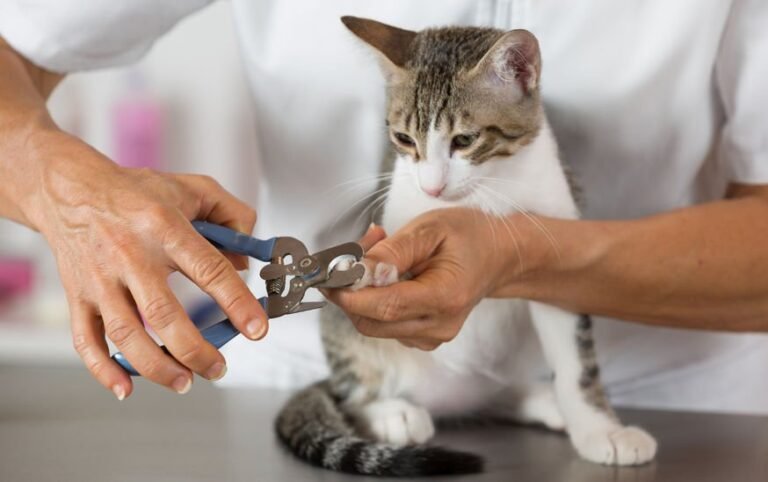
Professional grooming services can be valuable for those who find maintaining their cat’s cleanliness challenging. These services can provide thorough cleanings, nail trims, ear cleaning, and even haircuts for long-haired breeds, ensuring your cat remains clean and comfortable.
How to Bathe a Cat Safely
If your cat really needs a bath:
- Use lukewarm water
- Use cat-specific shampoo
- Keep the process calm and quick
- Avoid water in ears and eyes
- Dry gently with a towel
👉 Keeping your cat calm is more important than making them perfectly clean.
FAQ
How often should you bathe a cat if it stays indoors?
Most indoor cats only need a bath a few times per year, if at all.
Is it bad to bathe a cat too often?
Yes. Bathing too often can dry out the skin and damage natural oils.
Do cats really need baths?
In most cases, no. Cats are self-cleaning animals.
When should I bathe my cat immediately?
If your cat gets into something toxic, sticky, or dangerous, you should bathe them right away.
Final Thoughts
Understanding how often you should bathe a cat depends on your cat’s lifestyle, health, and grooming habits. While many cats rarely need bathing, knowing when it’s necessary can help keep your cat clean, healthy, and comfortable.


One Comment