5 Ways to Calm an Aggressive Cat Without Punishment
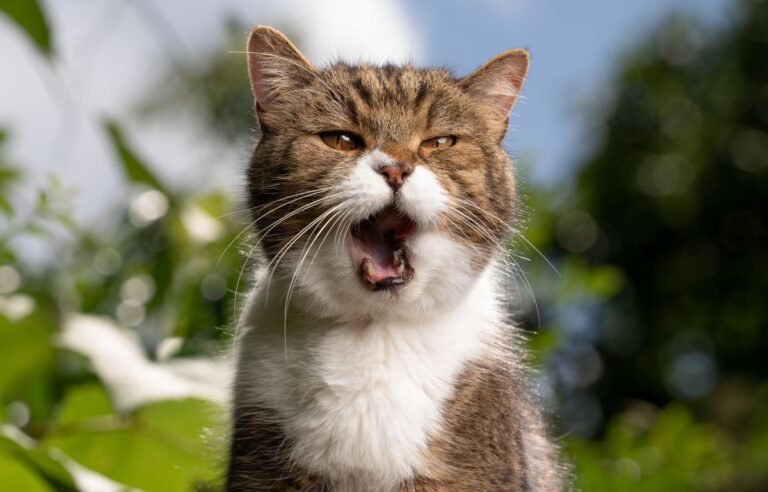
5 Ways to Calm an Aggressive Cat Without Punishment is a topic many cat owners start searching for when confusion, worry, and frustration slowly replace patience. When a cat suddenly hisses, swats, or growls, it can feel personal, even hurtful, but aggression in cats is rarely about dominance or defiance. In most cases, it is a response to fear, stress, or emotional overload.
Cats are not trying to challenge you. They are trying to protect themselves, often because they feel overwhelmed or unsafe, which is why punishment almost always backfires.
Quick answer:
– Punishment increases fear and escalates aggression
– Early warning signals appear before most aggressive episodes
– Lowering stimulation prevents defensive reactions
– Calm, predictable responses reduce stress
– Identifying triggers helps stop aggression from repeating
5 Ways to Calm an Aggressive Cat Without Punishment (Start Here)
Before focusing on individual techniques, it helps to understand one core idea: calming aggression is about reducing pressure, not enforcing control. Each of the five steps below works because it lowers stress rather than adding more.

Why Punishment Makes Cat Aggression Worse
Punishment does not correct aggressive behavior in cats because cats do not connect consequences with past actions. When a cat is punished, it does not learn what behavior was unwanted, but instead learns that its environment has become unpredictable and emotionally unsafe.
From the cat’s perspective, yelling, sudden movements, or physical correction confirm that danger exists. Over time, this constant state of alertness often leads to stronger and more frequent aggressive reactions.
How Cats Experience Stress and Threat
When a cat feels threatened, its nervous system shifts into survival mode, prioritizing defense over learning or cooperation. In that state, instinct takes over, and calming signals from humans are often missed.
This is why reducing stress always comes before changing behavior.
1. Learn to Read Early Aggression Signals
Aggression rarely appears without warning, even when it seems sudden to humans. Most cats display subtle signals long before they react physically, but these signs are often misunderstood or ignored.
Recognizing early signals allows you to pause interaction before your cat feels the need to defend itself.
Body language That Warns You First
Changes in body language are usually the earliest signs of discomfort. Flattened ears, ears rotating backward, or a stiff tail with slow flicking often indicate rising tension. Dilated pupils, sudden freezing, or pulling away during petting also signal that your cat needs space.
Micro-steps you can take:
– Pause interaction at the first sign of tension
– Give your cat physical distance without staring
– Allow your cat to move away freely
– Resume interaction only after full relaxation returns
2. Reduce Overstimulation Before It Escalates
Many aggressive moments begin during positive interactions like petting or play. What feels affectionate to a human can quickly become overwhelming for a cat if sensory input continues past its comfort threshold.
Overstimulation builds quietly, then releases suddenly.
When Affection Turns Into Frustration
Some cats enjoy brief contact but become irritated when touch continues too long. If subtle warning signs are ignored, aggression becomes the fastest way for the cat to stop the interaction.
Micro-steps you can take:
– Limit petting sessions to short intervals
– Stop contact for 10–20 seconds at the first signal
– Switch to calm verbal reassurance instead of touch
– Let your cat decide when interaction resumes
3. Create a Safe Space Your Cat Can Control
Cats rely heavily on environmental control to regulate stress. A cat without a safe space often feels cornered, overstimulated, or unable to retreat, which increases defensive behavior.
Providing predictable areas for rest gives your cat emotional security.
Why Control Lowers Aggression
When cats know they can retreat without being followed or disturbed, their stress levels naturally decrease. Consistent routines and access to quiet zones allow emotional reset before frustration builds.
Micro-steps you can take:
– Provide one elevated resting spot
– Offer one enclosed hideaway
– Establish one “no-touch” rest zone
– Respect your cat’s choice to disengage

4. Use Calm Energy Instead of Physical Correction
Cats are highly sensitive to human tone, movement, and emotional energy. Sudden reactions, raised voices, or quick gestures can unintentionally escalate a tense moment.
Calm responses help regulate your cat’s stress response and prevent fear-based reactions.
How Your Reactions Shape Cat Behavior
When humans react emotionally, cats often mirror that tension. Slow movements, neutral tone, and predictable behavior signal safety and reduce defensive instincts.
Micro-steps you can take:
– Move slowly and deliberately
– Keep your voice low and steady
– Avoid direct staring during tense moments
– End interaction calmly instead of abruptly
5. Identify the Real Cause Behind the Aggression
Aggression is rarely random, even when it appears without warning. Most aggressive behavior has a trigger that repeats in subtle ways.
Understanding patterns helps prevent future episodes.
Common Triggers Owners Often Miss
Environmental changes, new people, unfamiliar animals, loud noises, altered routines, or even furniture rearrangement can create stress. Sensitive cats may react strongly to changes humans barely notice.
Micro-steps you can take:
– Track when aggression happens
– Note location, time, and interaction type
– Identify repeated patterns
– Adjust environment or routine accordingly
What to Do in the Moment (When Aggression Starts)
When aggression begins, your response matters more than the behavior itself.
In-the-moment steps:
– Freeze and create space immediately
– Avoid eye contact and sudden movements
– Do not reach toward your cat
– End interaction and allow full cooldown
These steps prevent escalation and protect trust.
When Aggression Is a Warning Sign
Occasional aggression can be normal, especially in stressful situations, but persistent or escalating aggression deserves closer attention.
Red Flags That Require Extra Attention
– Sudden aggression paired with hiding
– Aggression linked to one specific body area
– Aggression during litter box use
– Growling or hissing without clear triggers
– Rapid personality changes alongside aggression
These signs suggest deeper discomfort that should not be ignored.
What You Should Never Do With an Aggressive Cat
Some reactions worsen aggression even when they come from frustration or fear.
Common Mistakes That Make Aggression Worse
Punishing, yelling, cornering, or forcing interaction often destroys trust and increases fear. Ignoring early warning signals and pushing past comfort limits also escalates defensive behavior over time.
Respecting communication signals protects both you and your cat.
FAQ – 5 Ways to Calm an Aggressive Cat Without Punishment
Can punishment ever stop cat aggression?
No. Punishment increases fear and usually intensifies aggression.
How long does it take to calm an aggressive cat?
Progress varies, but consistency often brings gradual improvement.
Is aggression a sign of a bad bond?
Not necessarily. Aggression often reflects stress, not lack of attachment.
Can stress cause sudden aggression in cats?
Yes. Sudden environmental changes frequently trigger aggression.
Should aggressive cats be isolated?
Temporary space helps during intense moments, but long-term isolation increases stress.
Follow us on Instagram for calm, practical cat behavior insights you can apply the same day.