Why Does My Cat Drool – When It’s Normal and When It’s Not
Why does my cat drool – when it’s normal and when it’s not is usually the first question cat owners ask the moment they notice a damp spot on their clothes or furniture.
Drooling can feel strange, unexpected, and even worrying, especially if your cat never did it before, yet the truth is that in many situations drooling is nothing more than a sign of comfort, relaxation, or emotional connection.
At the same time, there are cases when drooling should raise concern, because it may quietly point to discomfort, pain, or underlying health issues that cats rarely show openly.
Understanding the difference is not about panic, but about context, observation, and knowing your cat’s normal behavior.

Why Does My Cat Drool in the First Place?
Cats produce saliva for digestion, oral health, and normal mouth function, but unlike dogs, they rarely let it spill out.
Because of that, visible drooling almost always stands out and immediately feels abnormal, even when it is not.
The important detail here is that drooling itself is not the problem.
What matters is when it happens, how often it appears, and whether it comes together with changes in behavior, appetite, or energy levels.
A cat that drools while purring on your lap is sending a very different message than a cat that drools while hiding under the bed.
When Cat Drooling Is Completely Normal
There are several situations where drooling is simply part of a cat’s emotional or physical response and does not indicate illness.
Drooling While Purring and Relaxing
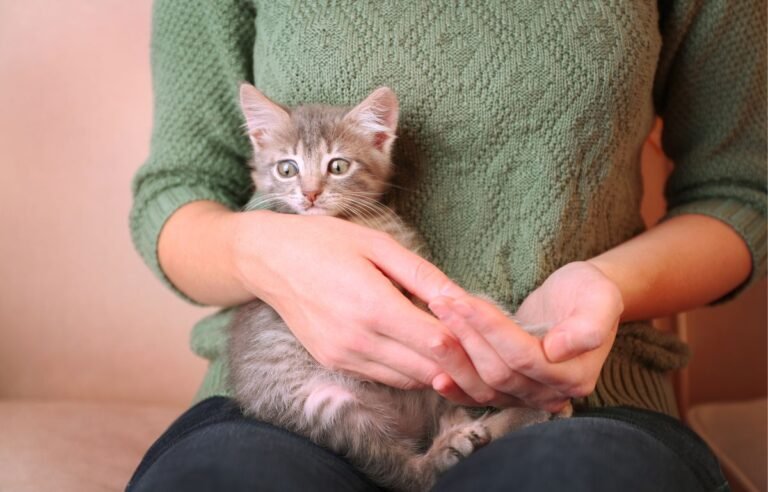
Some cats drool when they reach a deep state of relaxation, especially during petting sessions or quiet bonding moments.
If your cat is purring steadily, kneading softly, and leaning into your hand while drooling a little, this behavior usually signals trust, safety, and emotional comfort rather than discomfort.
In these moments, drooling acts almost like an overflow of contentment.
Drooling During Kneading
Kneading is a behavior rooted in kittenhood, when kittens knead their mother to stimulate milk flow while nursing.
For adult cats, kneading often brings back those early emotional associations, which is why drooling can sometimes appear alongside it.
This combination is instinctive, emotionally driven, and generally harmless.
Drooling During Sleep or Deep Relaxation
Some cats drool while sleeping, especially during deep sleep phases when the jaw muscles fully relax.
If your cat wakes up alert, stretches normally, and continues eating and grooming as usual, this type of drooling rarely signals a problem.
Drooling During Happy Anticipation
Excitement can also trigger drooling, particularly when food, treats, or favorite routines are involved.
Certain cats react strongly to smells and anticipation, and drooling may appear briefly before meals without lingering afterward.
When Cat Drooling Is NOT Normal
While occasional drooling can be harmless, persistent or sudden drooling should never be ignored.
Changes in drooling patterns often serve as one of the few visible clues that something feels wrong to your cat.
Sudden Excessive Drooling
If your cat has never drooled before and suddenly starts doing so frequently or heavily, this change deserves attention.
Even if your cat seems calm, sudden shifts in bodily behavior are worth monitoring closely.
Drooling with Bad Breath
Drooling combined with strong, unpleasant breath often points toward dental or oral issues.
Healthy cat breath is not pleasant, but it should not smell rotten or overwhelming either.
Drooling with Lethargy or Hiding
When drooling appears alongside hiding, reduced interaction, or unusual fatigue, it may indicate pain or illness.
Cats instinctively hide discomfort, which makes drooling an especially important warning sign.
Drooling After Eating or Chewing
If your cat drools after meals, avoids crunchy food, or drops food while chewing, mouth pain becomes a strong possibility.
This behavior almost always deserves veterinary evaluation.
Dental Problems That Cause Cat Drooling
Dental issues are among the most common causes of problematic drooling in cats, especially as they age.
Gingivitis and Periodontal Disease
Inflamed gums can become painful very quickly, leading to increased saliva production as the mouth reacts to irritation.
Redness, swelling, or bleeding gums combined with drooling often indicate early dental disease.
Broken Teeth or Mouth Injuries
Cats can break teeth more easily than many owners realize, especially during chewing or accidental falls.
Even small fractures can cause ongoing pain and excessive drooling.
Oral Infections and Ulcers
Infections, abscesses, or ulcers inside the mouth can make eating uncomfortable and cause constant saliva buildup.
In these cases, drooling usually comes with appetite changes and visible discomfort.
Medical Reasons Why Your Cat Might Drool
Drooling does not always start in the mouth.
Some internal conditions trigger nausea or neurological responses that affect saliva control.
Nausea and Digestive Issues
Cats may drool shortly before vomiting, especially if hairballs, food intolerance, or stomach upset are involved.
Occasional nausea-related drooling may resolve on its own, but repeated episodes should be evaluated.

Poisoning or Toxic Exposure
Sudden heavy drooling can be one of the first signs of poisoning.
Household cleaners, toxic plants, and certain human medications can all pose serious risks.
This situation requires immediate veterinary attention.
Respiratory or Neurological Issues
In rarer cases, neurological disorders or respiratory infections may affect jaw control or swallowing.
These situations often come with additional symptoms like disorientation or breathing changes.
Stress, Anxiety, and Emotional Drooling
Cats are deeply sensitive to emotional changes, even when they appear independent.
Stress can trigger physical reactions, including drooling, especially during unfamiliar or overwhelming situations.
Moving homes, traveling, vet visits, or sudden changes in routine may all trigger stress-related drooling, especially in cats that are sensitive to environmental shifts. Understanding emotional signals through cat body language can help you recognize these triggers earlier and respond in a way that makes your cat feel safer and more secure.
How to Tell the Difference Between Normal and Dangerous Drooling
The difference lies less in the drool itself and more in the full picture surrounding it.
Questions You Should Ask Yourself
When did the drooling begin, and does it appear in specific situations only?
Is your cat still eating, grooming, and behaving normally?
Are there additional signs like odor, pain, or withdrawal?
Short, situational drooling usually stays harmless, while persistent drooling paired with behavioral changes deserves attention.
What to Do If Your Cat Is Drooling
Your response should always match the context rather than fear.
When You Can Monitor at Home
If drooling appears during relaxed moments without other symptoms, calm observation is often enough.
Keeping mental notes about frequency and triggers can provide clarity.
When You Should Call the Vet
If drooling lasts more than a day, worsens, or comes with appetite loss or pain, a veterinary visit is the safest choice.
Early action often prevents complications.
Can Certain Breeds Drool More Than Others?
Cats do not have true drooling breeds like dogs, but individual differences exist.
Some cats are simply more expressive, while others may have mouth structures that allow saliva to escape more easily.
Age also plays a role, as dental problems become more common over time.
How to Reduce Problematic Drooling
Reducing drooling starts with prevention and awareness.
Regular dental checks, balanced diets, and safe environments significantly lower risks.
Learning more about common cat health signs can help you notice subtle changes early, making it easier to respond before small issues turn into bigger problems.
FAQ
Why does my cat drool when I pet her?
This usually signals relaxation and emotional comfort, especially when purring is present.
Is cat drooling a sign of pain?
It can be, particularly when combined with behavior or appetite changes.
Can stress cause drooling in cats?
Yes, emotional stress may trigger drooling during unfamiliar situations.
Should I worry if my cat suddenly starts drooling?
Sudden drooling should always be observed and evaluated if it persists.
Do older cats drool more?
Older cats often experience dental issues, which can increase drooling.
Can food allergies cause drooling?
In some cases, oral irritation from food reactions may lead to drooling.
Cats rarely communicate discomfort directly.
Drooling, whether harmless or concerning, is simply one of the many ways they speak quietly.
If you enjoy learning how to read those signals and understand cats on a deeper level, follow us on Instagram at @lifewithcatman, where everyday cat moments turn into meaningful stories.