Cat Sitting Positions (10 Meanings Every Cat Owner Should Know)
Cat sitting positions can tell you a lot about how your cat feels. From relaxed and comfortable to anxious or alert, the way your cat sits is a powerful form of communication.
Cats use body language to express emotions, and their posture often reveals whether they feel safe, curious, or stressed.
If you’ve ever wondered what your cat is trying to tell you just by sitting a certain way – this guide will help you understand it.
Quick Answer
Cat sitting positions show your cat’s mood, comfort level, and even health.
Relaxed positions mean your cat feels safe, while tense or unusual positions may signal stress or illness.
The Importance of Understanding Cat Sitting Positions
Cats are very interactive creatures, yet their body language may be subtle and complex. You may learn about your cat’s moods and emotions by observing their sitting positions. This can help you better understand their wants and needs, as well as strengthen your relationship with your feline buddy.
For example, if your cat is sitting in a nice and comfortable position, it shows they are happy and peaceful. If they’re sitting in a stiff or defensive posture, it might signal that they’re feeling threatened or anxious.
10 Cat Sitting Positions and What They Mean

Cats have a variety of sitting postures, each with its own meaning. Here are some of the most typical cat-sitting positions you may notice:
1. The Cat Loaf (Relaxed but Ready)
One of the most typical sitting postures for cats is the loaf. Your cat is sitting in this pose, with their legs neatly curled beneath them and their tail wrapped around their torso. This posture could suggest that your cat is relaxed and at ease.
👉 Meaning:
- relaxed
- comfortable
- but still alert
2. The Sphinx Position (Alert & Observing)
The sphinx posture is more upright, with your cat’s front legs curled under their chest and their back legs spread out behind them. This posture may signal that your cat is interested or alert.
👉 Meaning:
focused
watching something
ready to react
This often happens when your cat is observing movement.
3. The Perch (In Control)
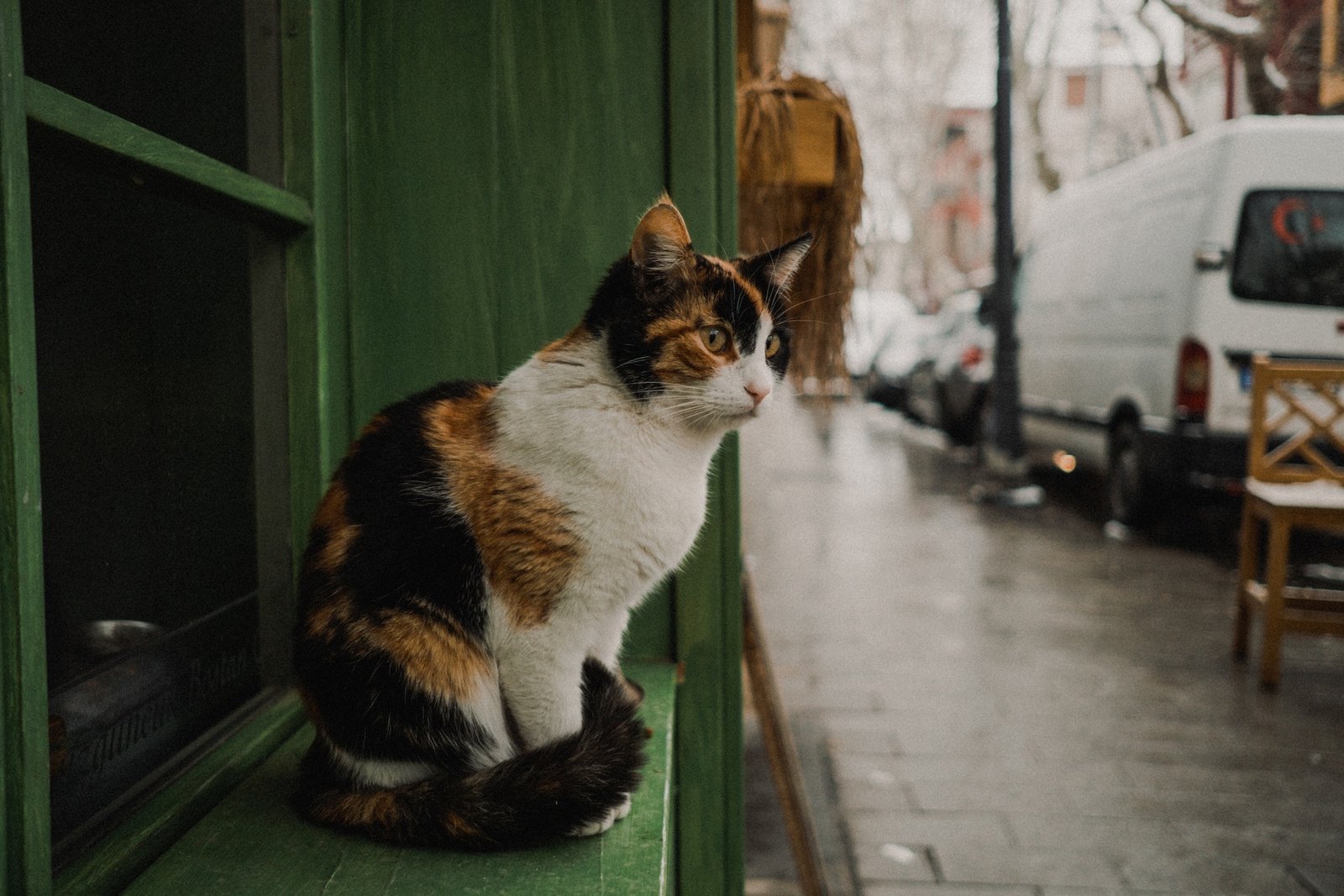
The perch is a sitting position that cats usually choose while sitting on a high surface, such as a windowsill or a shelf. Your cat is sitting in this manner, with their legs curled beneath it and their tail hanging. This posture may imply that your cat is confident and in charge.
👉 Meaning:
- dominant
- confident
- surveying territory
Cats love height because it gives them control.
4. The Tucked Tight Position (Cold or Stressed)
When your cat sits in the tucked position, their legs are curled securely below them and its tail is wrapped around its torso. This posture might signal that your cat feels anxious or nervous.
👉 Meaning:
- trying to stay warm
- or feeling anxious
Often seen in new environments.
5. The Kneading (Affection & Comfort)
The kneading posture is when your cat sits on your lap and rubs their paws across your legs or belly. This posture may imply that your cat is happy and showing affection to their owner.
👉 Meaning:
- showing affection
- feeling safe and comfortable
- expressing trust
Often seen when your cat is on your lap or soft surfaces, especially when bonding with you.
6. The Curled (Protection & Rest)
The curled posture is when your cat sits with their legs tucked below it, but their tail wrapped around its body and its head curled in. This posture may signal that your cat is vulnerable or tired.
👉 Meaning:
- conserving body heat
- feeling tired or sleepy
- protecting vital organs
Often seen when your cat is resting deeply or in a slightly cautious environment.
7. The Flopped (Fully Relaxed & Safe)
When your cat is in the flopped posture, they are resting on their side with their legs splayed out. This pose may imply that your cat is at ease and relaxed.
👉 Meaning:
- completely relaxed
- no perceived danger
- comfortable in surroundings
Often seen when your cat feels safe and trusts the environment completely.
8. The Sprawl (Playful & Comfortable)
When your cat is in the sprawling posture, its legs are sprawled out on its back. This posture might suggest that your cat is having a good time.
👉 Meaning:
- feeling safe and carefree
- playful or lazy mood
- enjoying the moment
Often seen in warm environments or when your cat is extremely relaxed.
9. The Acrobatic (Flexible & Carefree)
It’s not uncommon to observe cats sleeping and dreaming or sitting in strange positions. Cats, interestingly, want to show off their flexibility even when they are comfortable. As a result, their position may resemble an acrobatic act.
👉 Meaning:
- high level of comfort
- natural flexibility
- playful or curious mood
Often seen when your cat feels completely secure and uninhibited.
10. The Straight Sit (Confident & Calm)
Back straight, paws aligned neatly.
👉 Meaning:
- confident
- calm
- aware of surroundings
This is a neutral, balanced position.
Your pets can angle in a variety of ways without harming themselves. They can also enthusiastically occupy any space they like, even if it is a little box, shoes, or furniture. The acrobatic position of a cat typically suggests they are having fun.
Meaning of Cat Sitting Positions
Now that we’ve discussed the many sorts of sitting postures, let’s look at what they could be telling us about our cats’ moods:
- Relaxed and at ease: Curled, Flopped and Loaf
- Curious or alert: Sphinx
- Confident and in control: Perch
- Nervous or anxious: Tucked
- Affectionate and happy: Kneading
- Playful: Sprawl
Physical Comfort
If your cat sits in an unusual position, it might be suffering from an injury or condition such as arthritis. To alleviate the pain, your cat may alter their sitting position. The temperature may have an effect on the posture of some felines. If it’s a hot day, they’ll sit on the floor. On the other hand, on cold days, they like lying on a rug.

Emotional Comfort
The peculiar position may represent your cats’ inner feelings. For example, if your pets are relaxed and comfortable in their surroundings, they will sit with their legs spread. When your cats are afraid or worried, they may tuck their tail under their tummy and keep their legs below them.
It’s important to remember that these are merely generalizations, and your cat’s attitude might change based on a number of circumstances. A cat, for example, that is worried may nevertheless sit in a calm stance if they feel safe and comfortable in their surroundings. If you feel that something is wrong, take your cat to the vet.
Cat sitting postures might provide important information about the cat’s thoughts and feelings. You may enhance your relationship with your cat and offer them the care and attention they require by learning what their body language is telling you.
FAQ
What is the most common cat sitting position?
The loaf position is the most common and usually means your cat is relaxed.
Do cat sitting positions show emotions?
Yes, posture is one of the main ways cats communicate their feelings.
Should I worry about how my cat sits?
Only if the position suddenly changes or looks uncomfortable.
Why does my cat sit in weird positions?
Cats are flexible and often sit in unusual ways, but sometimes it can signal discomfort.
Final Thoughts
Cat sitting positions are more than just cute — they are a direct window into your cat’s mood and well-being. By paying attention to how your cat sits, you can better understand what they’re feeling and respond accordingly.