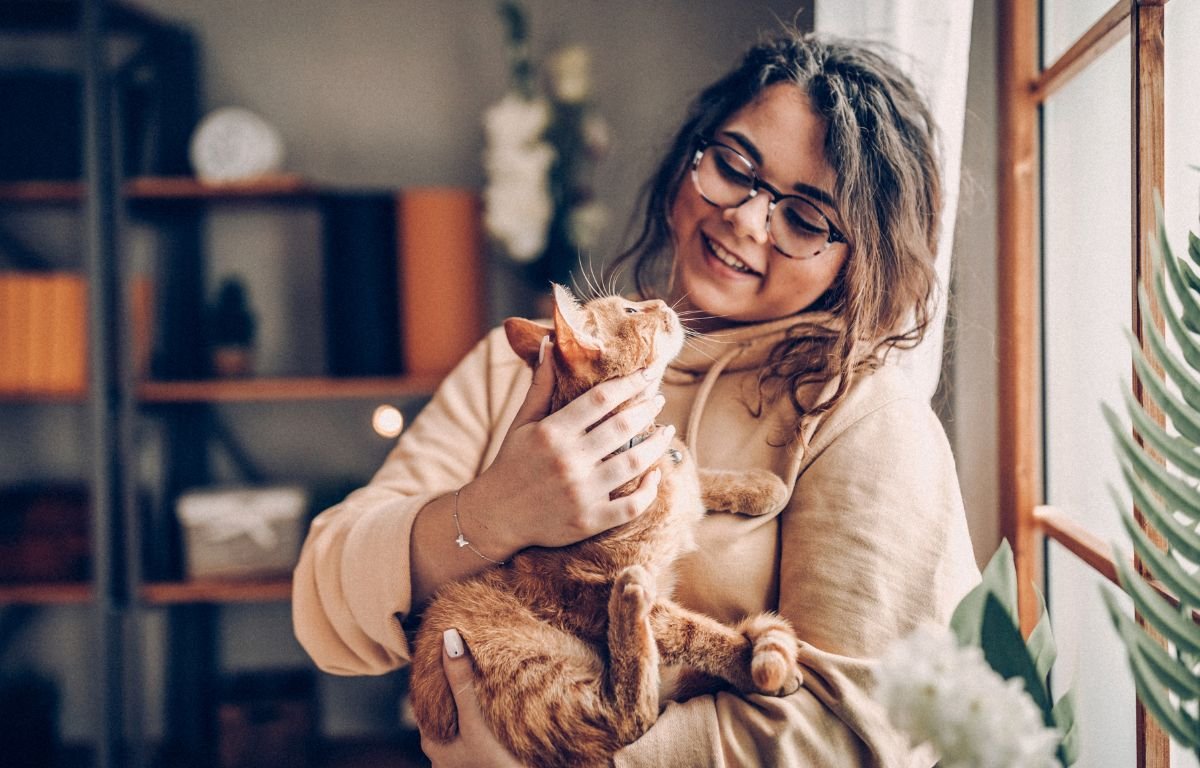
Can Cats Sense Illness in Humans
Can cats sense illness in humans is a question many cat owners begin to ask after noticing subtle but meaningful changes in their cat’s behavior. When you are sick, resting more than usual and moving with less energy, your cat suddenly seems closer, quieter, or unusually attentive. These moments feel emotional, but they also spark curiosity about whether cats truly sense illness or simply react to change.
For many people, this behavior feels too consistent to ignore. Cats appear to stay nearby, follow their owners more closely, or even refuse to leave their side. While this does not mean cats understand illness the way humans do, it does suggest a strong sensitivity to physical and emotional shifts.
Can Cats Sense Illness in Humans?
Can cats sense illness in humans in a literal, medical sense? The honest answer is no, but that does not make their reactions less impressive. Cats are not capable of diagnosing disease, yet they are highly skilled at detecting changes in their environment, especially when those changes involve the people they trust most.
When a human becomes ill, daily routines shift, body language changes, and emotional energy feels different. Cats notice these disruptions quickly because their survival instincts rely on awareness and consistency. What they sense is not illness itself, but the clear signals that something is not normal.

How Cats Notice That Something Is Wrong
Cats observe quietly and constantly, often without obvious reactions, which is why their responses can feel sudden or surprising.
Changes in Your Body Scent
One of the most important factors is scent. Illness can alter body odor due to fever, inflammation, medication, or hormonal changes. Cats possess a highly developed sense of smell, allowing them to detect subtle differences that humans barely notice. Even common conditions like a cold or flu can slightly change how you smell, which may explain why your cat behaves differently when you are sick.
These scent changes do not tell a cat that you are ill, but they signal that something about you has shifted, prompting attention or caution.
Body Language and Movement
Physical discomfort naturally affects how you move. When sick, you may walk more slowly, sit differently, or spend more time resting. Cats read body language instinctively, and these changes stand out clearly to them. A human who suddenly becomes less active or more guarded in movement sends a strong nonverbal message that something is off.
This is often why cats choose to stay close rather than avoid you.
Emotional Signals and Stress
Illness rarely affects the body alone. Emotional stress, irritability, and fatigue often accompany physical symptoms. Changes in tone of voice, facial expressions, and reaction time are all signals cats respond to. Many behavioral experts agree that cats are sensitive to emotional shifts, which can influence how secure or alert they feel.
Why Cats Stay Close When You’re Sick
When a cat stays close during illness, the behavior usually serves more than one purpose. Proximity allows the cat to monitor changes while maintaining a sense of control over its environment. Cats rely heavily on stability, and a sick human disrupts that balance.
Staying near also offers physical benefits. A resting human provides warmth and stillness, which cats naturally seek. At the same time, closeness reinforces bonding and reassurance, both for the cat and the human.

Signs Your Cat Reacts to Your Illness
Not all cats react the same way, but certain behaviors appear frequently.
Following You More Often
Some cats begin following their owners more closely, even into rooms they normally ignore. This behavior is usually calm and observant rather than anxious, showing interest rather than distress.
Sleeping Near You More Than Usual
Many cats choose to sleep closer when their human is sick, often on the bed, couch, or directly against the body. This behavior combines warmth-seeking with emotional proximity and is commonly reported by cat owners during illness.
Changes in Vocalization
Some cats become more vocal, while others grow unusually quiet. Increased vocalization can signal concern or a desire for reassurance, whereas silence often reflects cautious observation.
Can Cats Detect Serious Illnesses?
Stories about cats detecting serious illnesses often circulate online, but they should be approached with care. Cats may respond to long-term changes in behavior and daily routines caused by chronic conditions, yet this does not mean they recognize specific diseases. Their reactions are shaped by consistency and disruption rather than medical awareness.
For a more behavior-focused explanation of these reactions, feline behavior insights offer helpful context without relying on sensational claims.
Science vs. Stories
Scientific research supports the idea that cats are sensitive to environmental and emotional changes, but it does not support claims of medical detection. Personal stories, however, highlight meaningful experiences that strengthen the emotional connection between cats and humans. Both perspectives matter, as long as they are not confused with one another.
The Positive Side of This Behavior
Closeness during illness often strengthens the human-cat bond. Many people find comfort in their cat’s presence, which can reduce stress and create a sense of calm. Familiar routines, gentle contact, and quiet companionship often help recovery feel less isolating.
The Negative Side You Should Know
In some cases, increased closeness can turn into anxiety. A cat may become overly dependent or distressed by changes in routine, continuing the behavior even after recovery. It is important to observe whether the behavior feels calm or tense and respond accordingly.
Should You Encourage Your Cat to Stay Close?
Encouraging closeness is fine when it feels natural and relaxed. However, maintaining routine remains essential. Feeding schedules, playtime, and rest should stay consistent to avoid reinforcing anxious behavior. Cats benefit from reassurance, but they also need structure.
What This Behavior Says About Your Bond
A cat that stays close during illness often demonstrates trust and emotional security. Cats choose proximity intentionally, and this behavior usually reflects a strong bond that develops gradually over time. This type of attachment is shaped by routine, consistency, and the sense of safety a cat feels around its human.
Practical Tips for Cat Owners
During illness, try to maintain normal routines as much as possible. Speak calmly, move gently, and allow closeness without forcing interaction. If behavioral changes persist or escalate, guidance on comfort and environment needs can help restore balance and reduce stress.
FAQs – Can cats sense illness in humans
Can cats really sense illness in humans?
Cats sense changes in behavior, scent, and routine, not illness itself.
Why does my cat follow me when I’m sick?
Following helps cats monitor change and maintain environmental stability.
Do cats act differently around sick people?
Many cats show increased attention, observation, or closeness.
Can cats sense stress and anxiety?
Yes, emotional changes strongly influence feline behavior.
Should I worry if my cat becomes clingy?
Only if the behavior appears anxious or disruptive.
Final Thoughts – Can cats sense illness in humans
Can cats sense illness in humans remains a fascinating topic because it sits at the intersection of instinct, observation, and emotional bonding. Cats may not understand disease, but they recognize change, and their quiet presence during illness often reflects trust rather than coincidence.
If you enjoy stories about real cat behavior and bonding, follow us on Instagram: