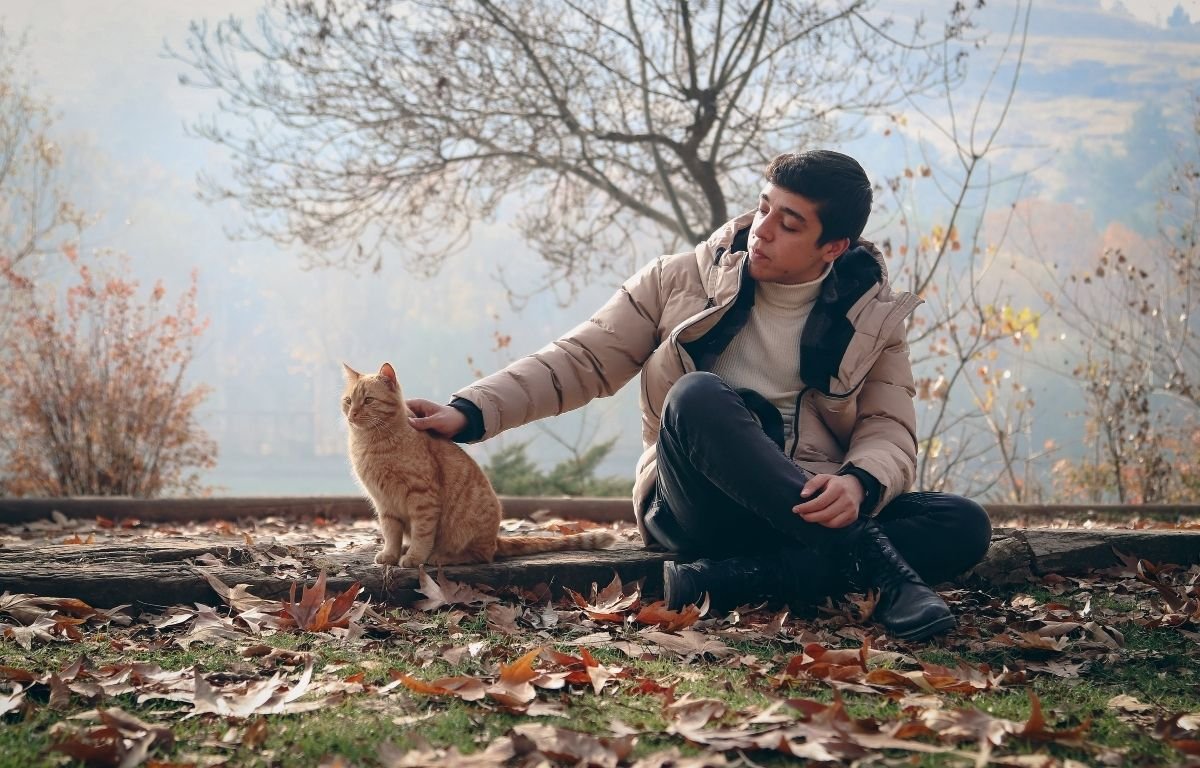
Can My Cat Sense Stress
Can My Cat Sense Stress is a question many cat owners ask without realizing how common this experience truly is.
You feel overwhelmed, your thoughts slow down, and suddenly your cat appears closer than usual.
She follows you, watches you quietly, or settles beside you without being invited.
This moment feels intentional, almost personal, and that feeling is not imagined.
Cats do not understand stress the way humans describe it, but they are masters of observation.
They notice small changes long before words ever appear.
That is why this question deserves a thoughtful, honest answer.
Can My Cat Sense Stress in Humans?
Yes, cats can sense stress in humans, although not in a mystical or magical way.
They react to patterns, energy shifts, and changes in behavior that happen naturally during stress.
When you are stressed, your routine changes.
Your movements become sharper or slower, your voice sounds different, and your attention drifts.
Cats rely on consistency, so even small changes stand out clearly.
This is why the question Can my cat sense stress comes up so often.
The answer lies in awareness, not emotion.

How Cats Pick Up on Stress Without Words
Body Language Speaks First
Cats watch your body language more than your face.
Tense shoulders, clenched hands, and restless pacing send clear signals.
You might think you are hiding stress well.
Your cat notices anyway.
If you move differently, your cat responds differently.
That response can look like concern, curiosity, or distance.
Changes in Voice and Energy
Your tone of voice shifts during stress, even if you speak less.
Short replies, sighs, or silence change the emotional atmosphere.
Cats are sensitive to energy in shared spaces.
They feel when a room becomes heavier or quieter.
This does not mean your cat understands your problem.
She simply reacts to the environment you create.

Can My Cat Sense Stress Through Scent?
Stress Hormones and Familiar Smells
Stress affects scent more than people realize.
Hormonal changes subtly alter your natural smell.
Cats rely heavily on scent recognition.
When something changes, they notice immediately.
This sensory shift helps explain why the question Can My Cat Sense Stress has a biological foundation.
Why Some Cats Become Clingy
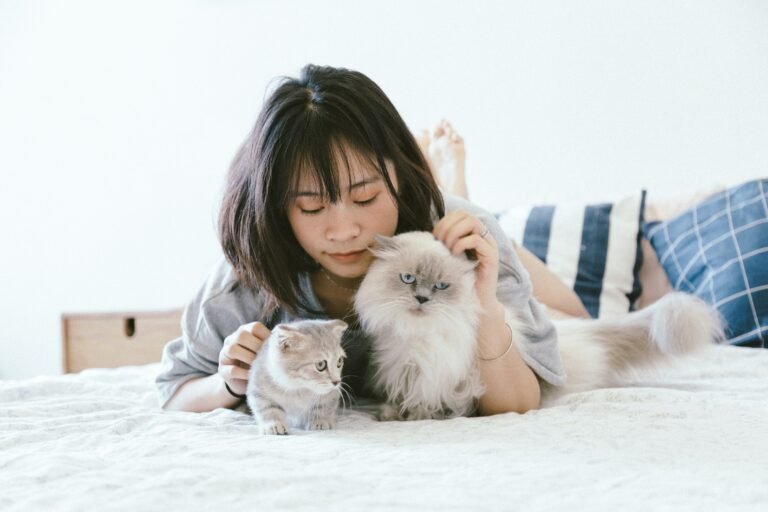
Some cats respond by staying closer than usual.
They seek familiar smells, warmth, and reassurance.
This behavior has a positive side.
Closeness can calm both cat and human.
However, it can also become overwhelming if the cat becomes anxious.
Balance matters in both directions.
Why Some Cats Become More Affectionate When You’re Stressed
Stress can trigger nurturing behavior in certain cats.
They sit closer, purr more, or maintain constant contact.
This does not mean your cat is trying to fix your emotions.
She responds to change by reinforcing connection.
Strong emotional bonding with cats often shows itself during stressful periods.
The bond becomes more visible when routines feel unstable.
Some cats choose affection as their response.
Others choose observation.
Both reactions are normal.

When Stress Makes Cats Pull Away Instead
Stress Can Confuse Sensitive Cats
Not all cats respond to stress with closeness.
Some become distant or avoid interaction entirely.
Stress can feel unpredictable to sensitive cats.
They may retreat to regain control.
This reaction does not signal rejection.
It signals self-protection.
How to Read the Difference
Look at the full behavior pattern.
Is your cat eating normally and resting comfortably?
If yes, space may be her coping tool.
Respecting that space builds trust over time.
Understanding cat behavior requires patience, not interpretation.
Can My Cat Sense Stress Before I Do?
In some cases, yes.
Cats often react to subtle changes before humans acknowledge stress consciously.
You may still feel functional while your body already reacts.
Your cat notices that shift.
This explains why some cats act differently without an obvious reason.
The question Can my cat sense stress becomes clearer through observation.
Cats react to what exists, not what is admitted.
How to Help Your Cat When You’re Stressed
Keep Routines Stable
Routine gives cats emotional security.
Feed, play, and rest at consistent times.
Consistency reassures your cat even when emotions fluctuate.
Should You Rely on Your Cat for Emotional Support?
Cats provide comfort through presence, not solutions.
Their calm behavior can ease tension naturally.
However, emotional responsibility should remain balanced.
Your cat should not carry your emotional weight.
Support works best when it flows both ways.
A stable human creates a stable environment.
FAQs – Can My Cat Sense Stress?
Can all cats sense human stress?
Most cats notice behavioral changes, but reactions vary by personality and experience.
Why does my cat follow me when I’m anxious?
Following often signals curiosity or a desire for reassurance.
Can stress change my cat’s behavior long term?
Long-term stress can influence habits, but consistency helps restore balance.
Is it normal if my cat ignores me when I’m stressed?
Yes, avoidance can be a coping strategy for sensitive cats.
Can my cat sense stress better than dogs?
Cats notice subtle environmental changes, while dogs often respond more to emotional cues.
Your cat does not analyze your stress, but she responds to its presence.
That response reflects awareness, routine, and connection rather than empathy.
Understanding this helps you respect her behavior without assigning human meaning.
Follow us on Instagram LifeWithCatman for more honest stories about cats, emotions, and the quiet connections we often overlook.