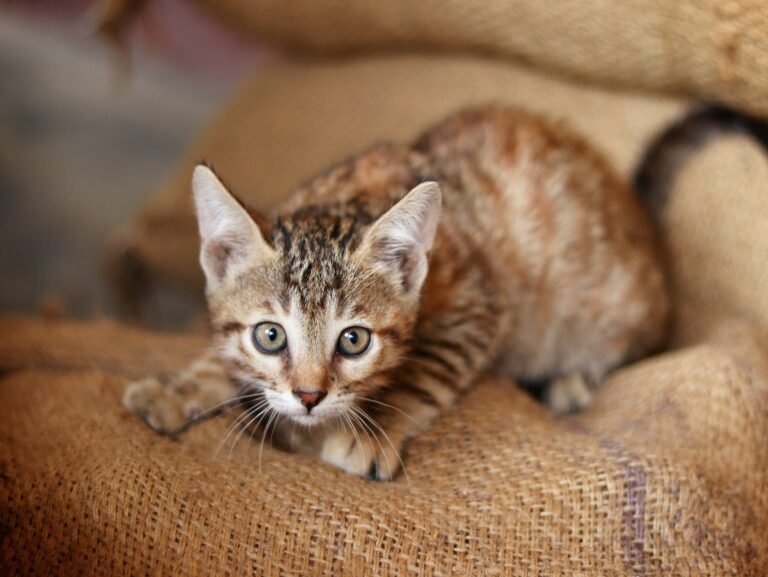
Why My Cat Acts Strange After I Return Home
Why My Cat Acts Strange After I Return Home is a question many cat parents quietly ask the moment they step inside their home.
You expect warmth, familiarity, and maybe a dramatic welcome, yet your cat sometimes reacts in ways that feel confusing or even hurtful.
Instead of affection, you might get distance, silence, or behavior that feels oddly unfamiliar.
This reaction is rarely about rejection.
More often, it is your cat trying to process change in the only way they know how.
Why My Cat Acts Strange After I Return Home
Cats are deeply attached to routines, familiar scents, and predictable patterns.
When you leave and return, even briefly, you interrupt a system that made them feel safe.
Your presence changes the environment again, and your cat needs time to adjust.
Some cats adjust quickly and resume normal behavior within hours.
Others take days to emotionally recalibrate, especially if the routine disruption lasted longer.
This adjustment period is not personal.
It is biological and emotional.
The First Thing Your Cat Notices When You Return Home
Your Scent Is Different
One of the first things your cat notices is that you do not smell the same.
You return carrying scents from other places, people, transportation, and environments.
To your cat, this can feel unsettling, even if they recognize you visually.

Cats rely heavily on scent for emotional security.
When that scent changes, they may act cautious, distant, or unusually alert.
On the positive side, this curiosity often leads to sniffing, rubbing, and re-marking you as familiar.
On the negative side, some cats temporarily withdraw until your scent returns to normal.
You Bring Back New Energy Into the Home
Your return also shifts the emotional energy in the house.
Movement, sounds, unpacking, and excitement can overwhelm a cat that enjoyed quiet stability while you were gone.

Some cats respond by hiding or observing from a distance.
Others may become overstimulated and restless.
Both reactions are normal responses to sensory overload.
Emotional Reactions Cats Have After You’ve Been Away
Is My Cat Mad at Me or Just Adjusting
Many people interpret distant behavior as anger.
In reality, cats do not experience resentment the way humans do.
What looks like punishment is usually emotional processing.
Your cat may need space to reorient themselves emotionally.
Once they feel secure again, affection often returns naturally.
Clingy Behavior Versus Avoidance
Some cats react by becoming unusually attached.
They follow you, demand attention, and seem unable to relax without you nearby.
This behavior reflects reassurance-seeking, not neediness.
Other cats do the opposite and act indifferent.
This does not mean they do not care.
It simply means they regulate emotions internally and prefer calm observation.
Changes in Routine Matter More Than You Think
Why Small Disruptions Feel Big to Cats
Even minor changes can feel significant to a cat.
Feeding times, sleep schedules, and daily interactions form emotional anchors.
When those anchors shift, cats temporarily lose their sense of balance.
This is especially noticeable after longer trips or irregular schedules.
How Long It Takes for a Cat to Reset
Most cats adjust within a few days.
Some sensitive personalities may take longer, especially if separation caused anxiety.
Patience during this phase is essential.
Stress Signals You Should Not Ignore
When Strange Behavior Is a Warning Sign
While most reactions are harmless, some behaviors deserve attention.
Persistent hiding, loss of appetite, or litter box changes may indicate elevated stress.
These signals suggest your cat is struggling to regulate emotions independently.

Appetite, Litter Box, and Sleep Changes
Temporary changes are common.
However, prolonged disruption may point to deeper discomfort.
This is where understanding feline behavior becomes important, especially when patterns repeat.
Why My Cat Acts Strange After I Return Home Even After Short Trips
Even short absences can feel long to a cat.
Time perception differs across species, and absence disrupts emotional continuity.
Your cat may react strongly not because you were gone long, but because routine broke suddenly.
How to Help Your Cat Feel Safe Again
What to Do in the First Hours After You Get Home
Move calmly.
Speak softly.
Allow your cat to approach at their own pace.
Reintroducing routine helps rebuild emotional stability.
What Not to Do Even If You Miss Them
Avoid overwhelming your cat with attention.
Excessive touching can increase anxiety rather than comfort.
Let connection rebuild naturally.
The Positive Side of Your Cat Acting Strange
A Sign of Strong Emotional Bond
Strange behavior often reflects attachment.
Your presence matters enough to disrupt emotional balance.
That is not rejection.
It is connection.
The Less Comfortable Side of Post-Return Behavior
When Anxiety Becomes a Pattern
Repeated distress after every absence may indicate separation sensitivity.
In such cases, exploring feline emotional health further can help.
This is where educational insights from LifeWithCatman content often support deeper understanding.
Is This Normal or Should You Be Concerned
Occasional strange behavior is normal.
Consistent distress deserves gentle attention and observation.
Your role is not to fix emotions, but to provide stability.
What Cats Truly Want After You Return Home
Cats want familiarity, predictability, and emotional calm.
They want to feel safe again, not interrogated or rushed.
Once security returns, affection usually follows.
FAQ – Why My Cat Acts Strange After I Return Home
Why My Cat Acts Strange After I Return Home for Just One Day
Short absences still disrupt emotional routine, even if they seem minor to humans.
How Long Does It Take for a Cat to Adjust After You Return Home
Most cats adjust within one to three days, depending on personality and routine stability.
Should I Give My Cat Space or Attention After Coming Home
Offer presence, not pressure. Let your cat choose interaction.
Can My Cat Feel Abandoned When I Travel
Cats feel disruption, not abandonment. Emotional security restores with consistency.
Is Ignoring Me a Sign My Cat Is Upset
Not necessarily. It often means your cat is processing change internally.
If you enjoy thoughtful stories about cat emotions, behavior, and everyday life, follow us on Instagram