Why My Cat Acts Distant After a Vet Visit
Why my cat acts distant after a vet visit is a question many cat parents ask the moment they walk back through the door. You expect relief, but your cat expects betrayal.
One minute you are home, the next, your cat avoids eye contact, ignores you, or disappears under the bed. It can often feel personal, but it is not. This behavior is common, temporary, and deeply rooted in how cats experience stress, scent, and control.

Why My Cat Acts Distant After a Vet Visit: The Short Answer
Your cat acts distant after a vet visit because the experience was stressful and unfamiliar.
Veterinary clinics overwhelm a cat’s senses. Strange smells, handling, sounds, and physical exams push them out of their comfort zone.
Be aware that the distance your cat shows is not punishment – it is self-protection.
Stress Is the Main Reason Your Cat Pulls Away
The Vet Visit Breaks Your Cat’s Sense of Control
Cats feel safest when they control their environment. A vet visit removes that control completely. They are placed in carriers, handled by strangers and touched in ways they cannot escape.
From your cat’s perspective, the situation feels unpredictable. For that reason, when they get home, they need time to reset.
The positive side is that your cat knows how to cope alone. The negative side is obvious.
Your cat’s coping mechanism looks like emotional distance.
Smells That Change Everything
Veterinary clinics are full of foreign scents.
Other animals.
Disinfectants.
Fear pheromones.
Your cat comes home smelling different.
So do you.
To another cat, these smells signal danger.
Even familiar faces can feel suspicious.
This is why your cat may sniff you and walk away.
They are not angry.
They are confused.
Why My Cat Acts Distant After a Vet Visit Even at Home
You Smell Different to Your Cat
Your clothes absorb clinic smells.
Your hands carry unfamiliar scents.
Even your voice may sound tense.
Cats rely heavily on scent recognition.
When that scent changes, their trust pauses briefly.
This does not mean they forgot you.
It means they need reassurance without pressure.
Physical Discomfort Makes Cats Withdraw
Some vet visits involve vaccines or procedures.
Mild soreness is common afterward.
Cats hide discomfort instinctively.
Distance is often a quiet way of coping with pain or fatigue.
This is normal for a short time.
It becomes concerning only if symptoms persist.
Emotional Memory: Cats Remember More Than We Think
One Bad Experience Can Stick
Cats associate emotions with places and actions.
A stressful visit creates a strong memory.
Your cat may link the carrier, the car, or even your behavior with that feeling.
That memory fades with time, but not instantly.
This is why patience matters more than reassurance.
Trust Isn’t Lost, It’s Just Paused
Cats do not withdraw love permanently.
They pause interaction until they feel safe again.
When your cat observes you calmly from a distance, that is progress.
They are watching for consistency.
Trust returns through routine, not force.

How Long Does This Distant Behavior Last?
Most cats return to normal within hours or days.
Some sensitive cats need a little longer.
Factors that influence recovery include personality, age, and the type of visit.
A routine checkup resolves faster than an invasive procedure.
If distance lasts more than a few days, observation is key.
How to Help Your Cat Reconnect After a Vet Visit
Give Space Without Guilt
Space is healing for cats.
Approaching too quickly can increase stress.
Let your cat choose when to reconnect.
This shows respect and builds confidence.
Let Your Cat Start the Contact
Watch for subtle signals.
Slow blinks.
Sitting nearby.
Quiet observation.
These are invitations.
Respond calmly and gently when your cat initiates interaction.
Use Familiar Comforts
Stick to routine feeding times.
Use familiar blankets or resting spots.
Speak softly and move slowly.
This is where cat behavior patterns naturally rebuild trust over time.
When Distance After the Vet Is a Red Flag
Signs You Should Not Ignore
Temporary distance is normal.
Persistent changes are not.
Watch for refusal to eat, extreme lethargy, or aggression.
These may signal pain or medical issues.
If behavior worsens, professional guidance matters.
Resources like behavioral warning signs in cats can help identify when to act.
Can Vet Visits Affect Your Bond Long Term?
Short answer.
No.
Handled properly, vet visits strengthen your understanding of your cat.
Handled poorly, stress can linger.
Preparation, patience, and post-visit calm reduce long-term effects.
Supportive tools like stress-reducing cat products can also help sensitive cats recover faster.
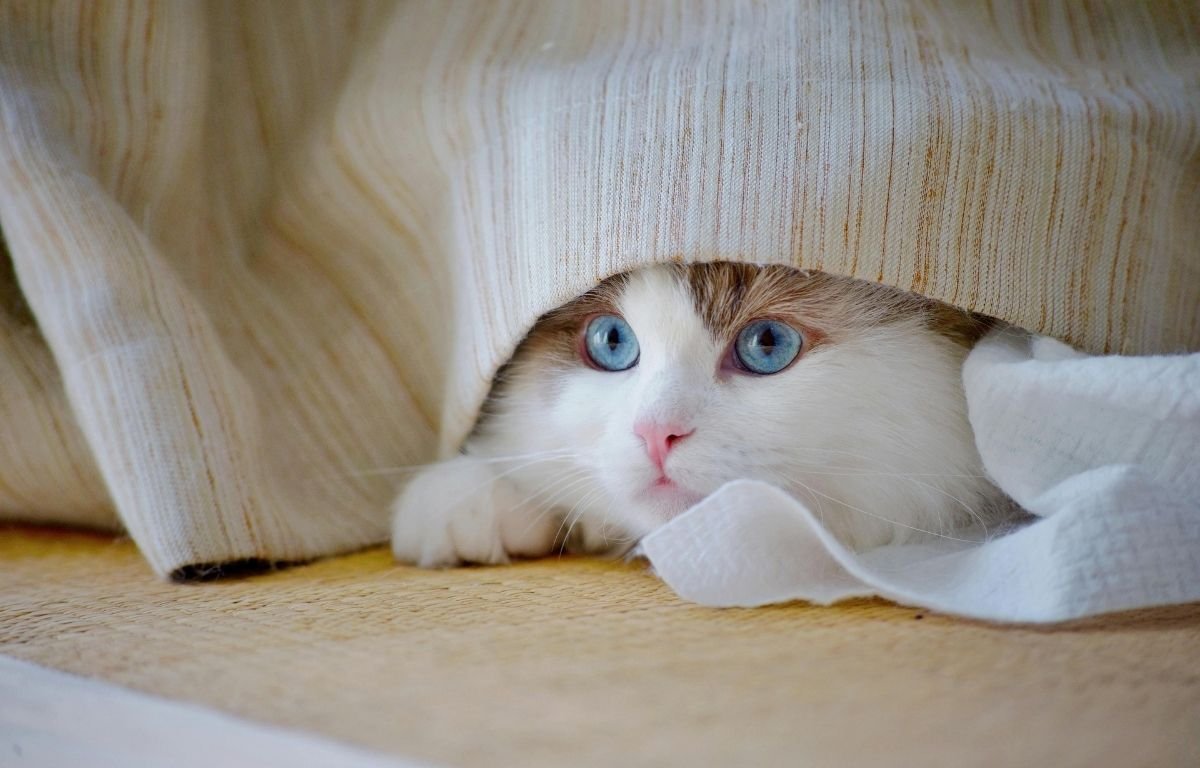
Why My Cat Acts Distant After a Vet Visit but Still Watches Me
This behavior often confuses owners.
Your cat stays nearby but avoids contact.
That is not rejection.
It is assessment.
Cats observe before re-engaging.
Watching from a safe distance allows them to regain emotional balance.
When your cat feels safe again, closeness returns naturally.
FAQ – Why My Cat Acts Distant After a Vet Visit
Why my cat acts distant after a vet visit for days?
Some cats need more time to decompress.
Personality and past experiences influence recovery speed.
Should I pet my cat after a vet visit?
Only if your cat initiates contact.
Forced affection increases stress.
Is it normal if my cat hides after the vet?
Yes.
Hiding is a natural coping mechanism.
Can vet visits damage my relationship with my cat?
Not long term.
Trust returns with routine and calm behavior.
How can I prepare my cat better next time?
Use familiar carriers, stay calm, and reward post-visit comfort behaviors.
Final Thought – Why My Cat Acts Distant After a Vet Visit
If you want more real-life cat behavior insights, calm routines, and honest moments from life with cats, follow us on Instagram at LifeWithCatman.
We talk about the quiet things cats never say out loud.